Kilimanjaro Packing List 2026: Complete Gear Checklist for Every Route
4 min read · by Structured Adventures Team
This Kilimanjaro packing list for 2026 strips the gear question back to essentials. Packing for Kilimanjaro gets overcomplicated fast — every gear list online sends you toward expensive gear you may only use once. The real Kilimanjaro packing list is shorter than you think, more specific about a few critical items (sleeping bag temperature rating, boot break-in, the layering system), and honest about what you can rent in Moshi for $100–200 versus what you must bring from home. This guide is built on what actually matters across five climate zones and 7–9 consecutive days on the mountain.
Related tour: 4-Day Mount Meru Climb — Perfect Kilimanjaro Preparation from Arusha
The 15 kg Porter Weight Limit — Your Starting Point
TANAPA regulations cap each porter load at 20 kg including their own gear, meaning your duffel bag (carried by porters) plus your daypack should ideally not exceed 15 kg total. Your daypack (carried by you all day) should be 5–8 kg maximum — heavier and you'll feel it at altitude. Pack into a soft-sided duffel bag, 70–90L — rigid suitcases don't fit in charter planes or porter loads.
The Layering System — Non-Negotiable
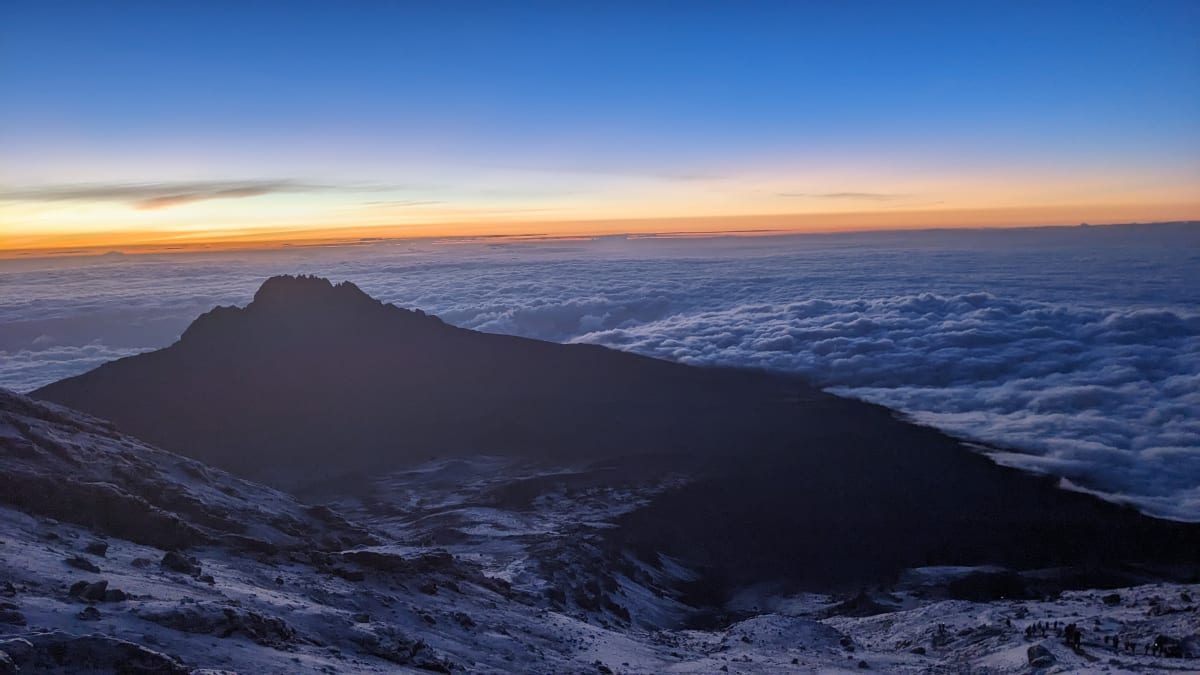
Kilimanjaro passes through five climate zones. You start at 1,800m in equatorial forest (warm, humid) and summit at 5,895m in arctic conditions (-10 to -25°C with wind chill). The same clothing must handle both — layering is the only solution.
- Base layer (×2): Merino wool or synthetic moisture-wicking — NO cotton. One lightweight for forest days, one heavier for high camps and summit night.
- Mid-layer fleece: Polartec or equivalent, zippered — worn during cold rest stops and evenings at camp from day 3 onward.
- Insulated jacket (down or synthetic): Essential from Barafu upward (-5°C+). Down is warmer per gram; synthetic performs better if wet. Bring this on your daypack from day 4.
- Waterproof shell: Breathable Gore-Tex or equivalent. Worn over all layers on summit night and rainy approach days.
The Most Important Item: Your Sleeping Bag
The single item that most affects comfort and recovery on Kilimanjaro. You need a sleeping bag rated to at least -15°C comfort (not the lower limit rating — that's the survival rating, not the comfort rating). Summit camps at 4,640m regularly reach -10 to -20°C overnight. A bag rated to 0°C will leave you shivering and underslept before the most important day of your trek. You can rent a suitable bag in Moshi for $30–50 — this is the best rental value on the mountain if you don't already own a cold-weather bag.
Boots — The One Item to Never Rent
Hiking boots must be: waterproof, ankle-supporting, stiff-soled, and broken in. The break-in requirement is the deal-breaker for rentals — boots that haven't been worn for 50+ miles will blister you within 2 days on the mountain. Recommended: Salomon X Ultra Mid, La Sportiva TX5 GTX, Scarpa Zodiac Plus GTX. Budget $180–280. Wear them on every training hike for 8–12 weeks before departure.
Complete Kilimanjaro Packing Checklist
Footwear and Clothing
- Waterproof hiking boots (broken in — see above)
- Camp shoes/sandals (Crocs or similar — your feet will thank you at camp)
- 6–7 pairs hiking socks (merino wool — more than you think you need)
- Liner socks (optional but excellent for blister prevention)
- Thermal base layers ×2 (top and bottom)
- Hiking shirts ×3 (synthetic or merino, long-sleeve preferred)
- Convertible hiking trousers ×2
- Fleece jacket/pullover
- Insulated down or synthetic jacket
- Waterproof shell jacket and trousers
- Warm hat covering ears (wool or fleece)
- Balaclava or buff (summit night essential)
- Sun hat (wide brim — UV is intense at altitude)
- Liner gloves + heavy outer mittens (two-layer glove system for summit night)
- Thermal underwear/long johns
- Gaiters (prevent scree entering boots on upper slopes)
Equipment
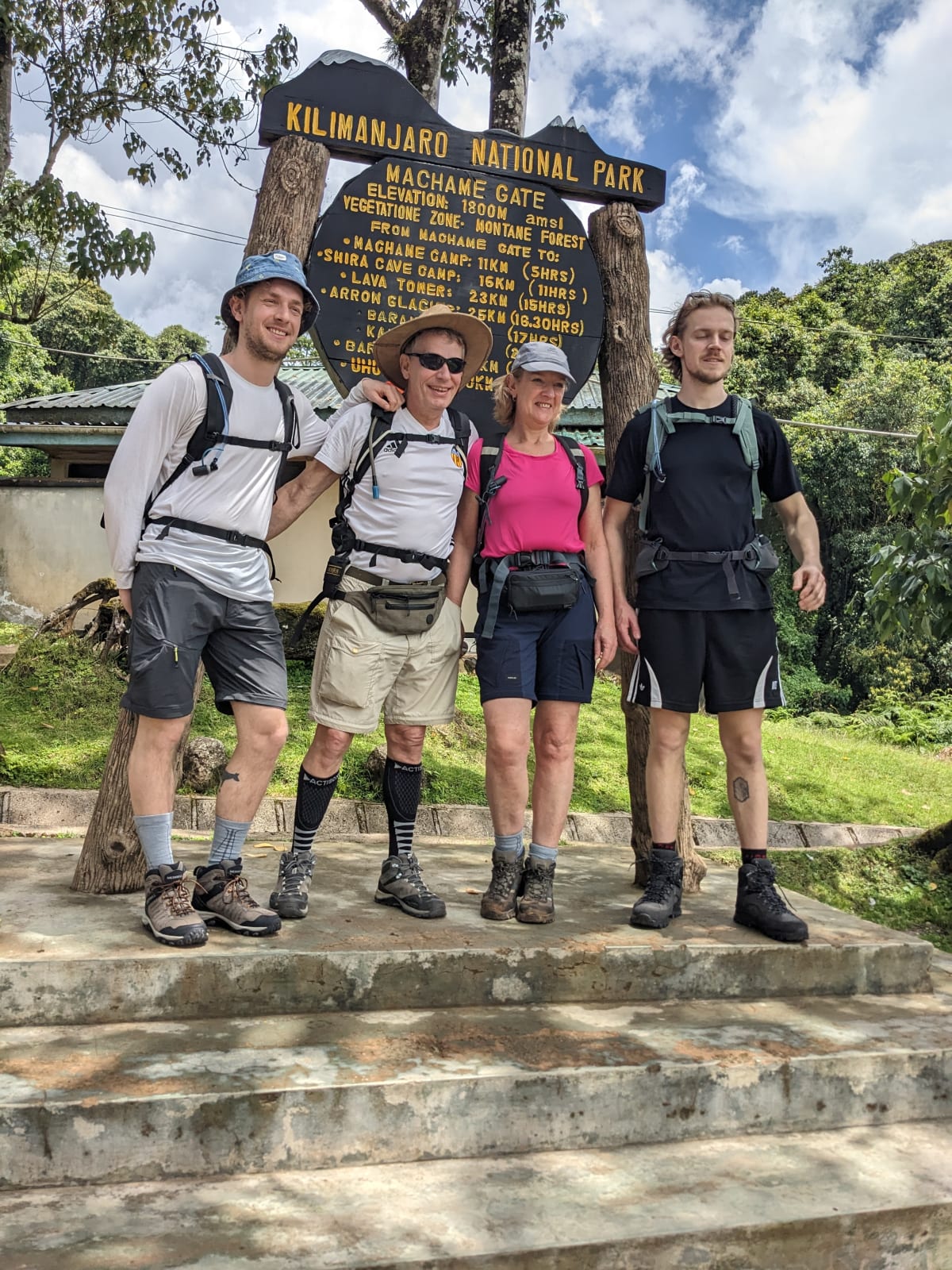
- Daypack 30–35L with hip belt and hydration bladder sleeve
- Soft duffel bag 70–90L (porter bag)
- Sleeping bag -15°C rated (rent or buy)
- Sleeping bag liner (adds 5–10°C warmth, keeps bag cleaner)
- Trekking poles ×2 (collapsible — rent for $15–25 in Moshi)
- Headlamp with spare batteries (summit night starts midnight)
- Sunglasses (Category 3 or 4 UV — snow glare above snowline)
- Water bottles ×2 (1L each — hydration bladder can freeze above 4,000m)
- Thermos for hot drinks (guides provide but personal thermos is better at night)
- Dry bags or waterproof packing cubes
Medical and Health
- Altitude medication (Diamox 125–250mg — prescription required, consult doctor 4–6 weeks before)
- Ibuprofen (for headache — AMS management)
- Anti-nausea medication (Ondansetron if prescribed)
- High-SPF sunscreen (50+ — apply every 3–4 hours above treeline)
- Lip balm with SPF
- Hand sanitiser
- Blister care kit (Compeed, needle, antiseptic)
- Personal prescription medications ×2 (one in daypack, one in duffel)
Documents and Money
- Passport (6+ months validity)
- Tanzania e-Visa approval (printed)
- Travel insurance documents (altitude cover required — keep accessible)
- Cash USD in small bills for tips ($250–350 per person)
What to Rent in Moshi (Save Weight and Cost)
Gear rental shops on and around the main road in Moshi offer: sleeping bag ($30–50), trekking poles ($15–25), warm jacket ($20–30), gaiters ($5–15), waterproof trousers ($15). Your operator may include some rental gear — confirm before arrival. Total rental kit: $100–150.
What to Leave at Home
Jeans (cotton, useless), cotton t-shirts, heavy travel books (download), more than 2 non-essential outfits, rigid suitcase, drone (prohibited in most park zones), excessive camera gear (your phone is sufficient for most trekkers).