
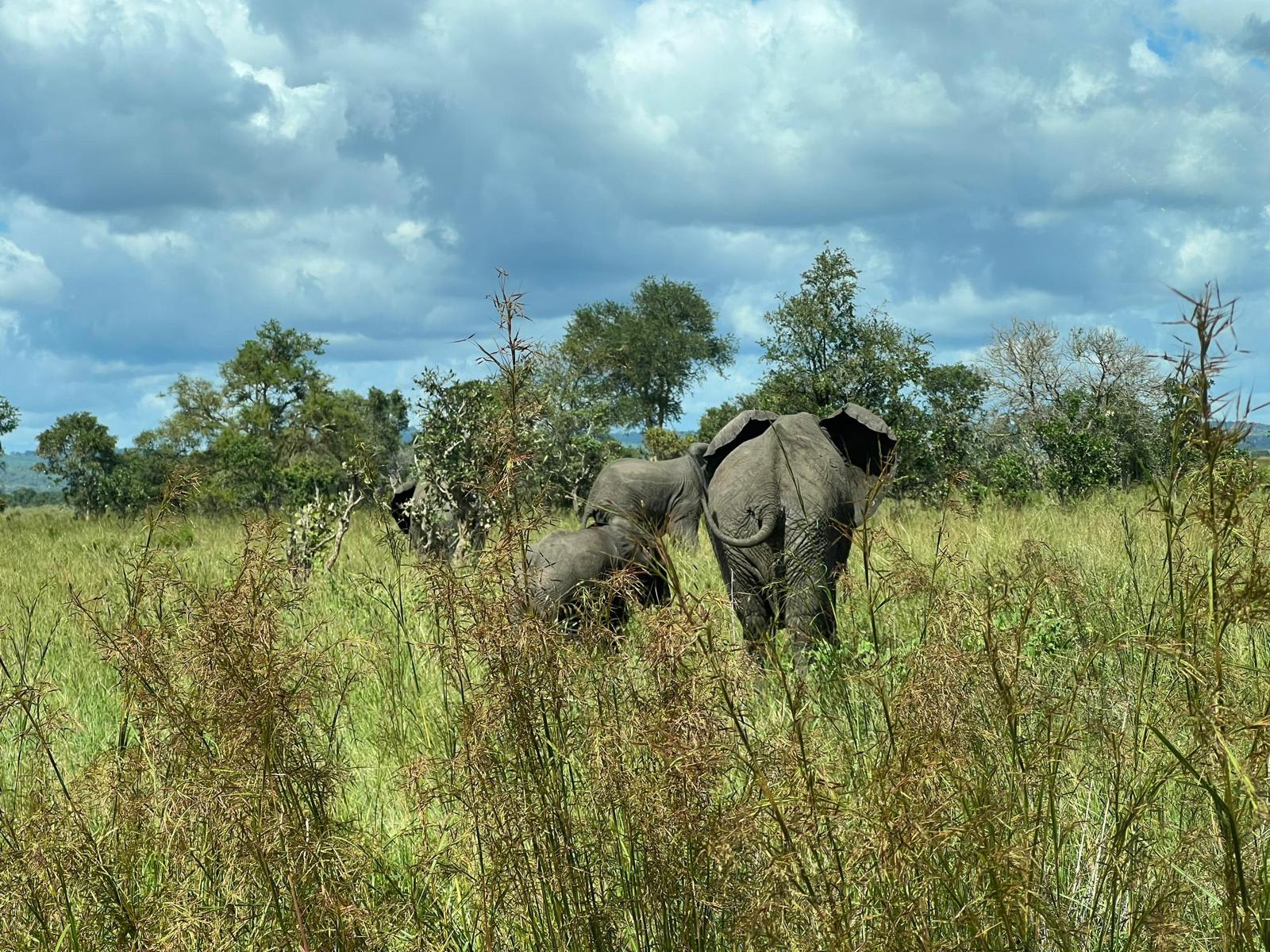
Tarangire is the park of elephants and baobabs, close enough to Arusha to be the first or last stop on a northern safari. In the dry months the river is the whole story.
- Region
- Northern Tanzania
- Managed by
- TANAPA
- From Arusha
- About two to three hours
- Known for
- Elephants, baobabs, the Tarangire River
- A usual stay
- One or two nights
- Often combined with
- Manyara, Ngorongoro, the Serengeti
The river park
Tarangire National Park takes its name from the Tarangire River, which runs through it and holds water when the surrounding country has dried up. That is the simple reason the park works. In the dry months, elephants come to the river in numbers that surprise people who thought they had to reach the Serengeti before the safari 'started'.
The landscape is open woodland studded with ancient baobabs, not the short-grass plain of the Serengeti and not the crater bowl. It photographs differently, and the game viewing is different: family herds of elephants, giraffe among the trees, and a bird list that is one of the reasons birders put Tarangire on the route even when the cats are elsewhere.
Elephants, and the rest
Elephants are the headline, and they are deserved. You also see buffalo, zebra, wildebeest, impala, giraffe, and the usual predators: lion are resident, leopard are possible and less often seen. Fringe-eared oryx and gerenuk turn up more here than on the crater floor. Pythons are a local specialty around some of the swamps. We mention them so you know to ask. We do not promise one.
The Silale swamp and the river tracks are the classic loops. A second day can go further from the gate, which is when the park feels less like a stopover and more like a park.
When to go
Dry season, about June to October, is when the animals are on the river and the tracks are firm. January and February can be good between rainstorms. March to May is wet. The park does not close, but some camps do, and the gathering on the river breaks up because water is everywhere.
If your only dates are in the green season, we would still consider a day here for birds and baobabs, and we would not sell it as an elephant spectacle.
BestGoodQuieter or wetter
How it fits a trip from Moshi or Arusha
From Arusha, allow about two to three hours to the gate, plus time inside. From Moshi, add the drive across to Arusha first. Tarangire is the natural first night of a longer northern circuit: you leave the town, sleep near the park, and the next day move on toward Manyara and Ngorongoro. It is also a strong last day, when people are tired of long transfers and want one more proper game drive before the airport.
A Tarangire and Manyara weekend is a real short safari. It will not show you the migration. It will show you elephants and a rift-valley lake, which is a better use of two days than a forced dash toward the Serengeti.
Packages that include Tarangire National Park
These are the trips in our list that spend time here. A price is the starting price of that trip. A sample trip is a plan we can run. The camps and the price are confirmed when you ask.
-
 Tarangire Day Trip from Arusha1 day · from $200
-
 7-Day Tanzania Northern Circuit Safari7 days · from $3,290
Questions people ask
- It is close to Arusha, it is different country from the crater and the Serengeti, and in the dry season the wildlife along the river is excellent. It also takes pressure off a trip that would otherwise be all long drives.
- June to October, when the river is one of the few water sources and elephants, buffalo, zebra and giraffe gather. The green months are quieter, with fewer animals in view and more birds, including migrants.
- A full day covers the river, the baobab woodland and a swamp. Two nights is better if you want dawn and dusk without a transfer in the middle. We would not cut it to a two-hour stop on the way to somewhere else.
- Not the Serengeti wildebeest circuit. Tarangire has its own seasonal movement: animals spread into the wider ecosystem in the rains and come back to the river when the land dries.
References
The facts on this page were checked against these sources and written in our own words. Gate hours, fees and wildlife numbers change. We link the authority instead of printing a figure that will go stale.
Last reviewed 2026-10-28.