
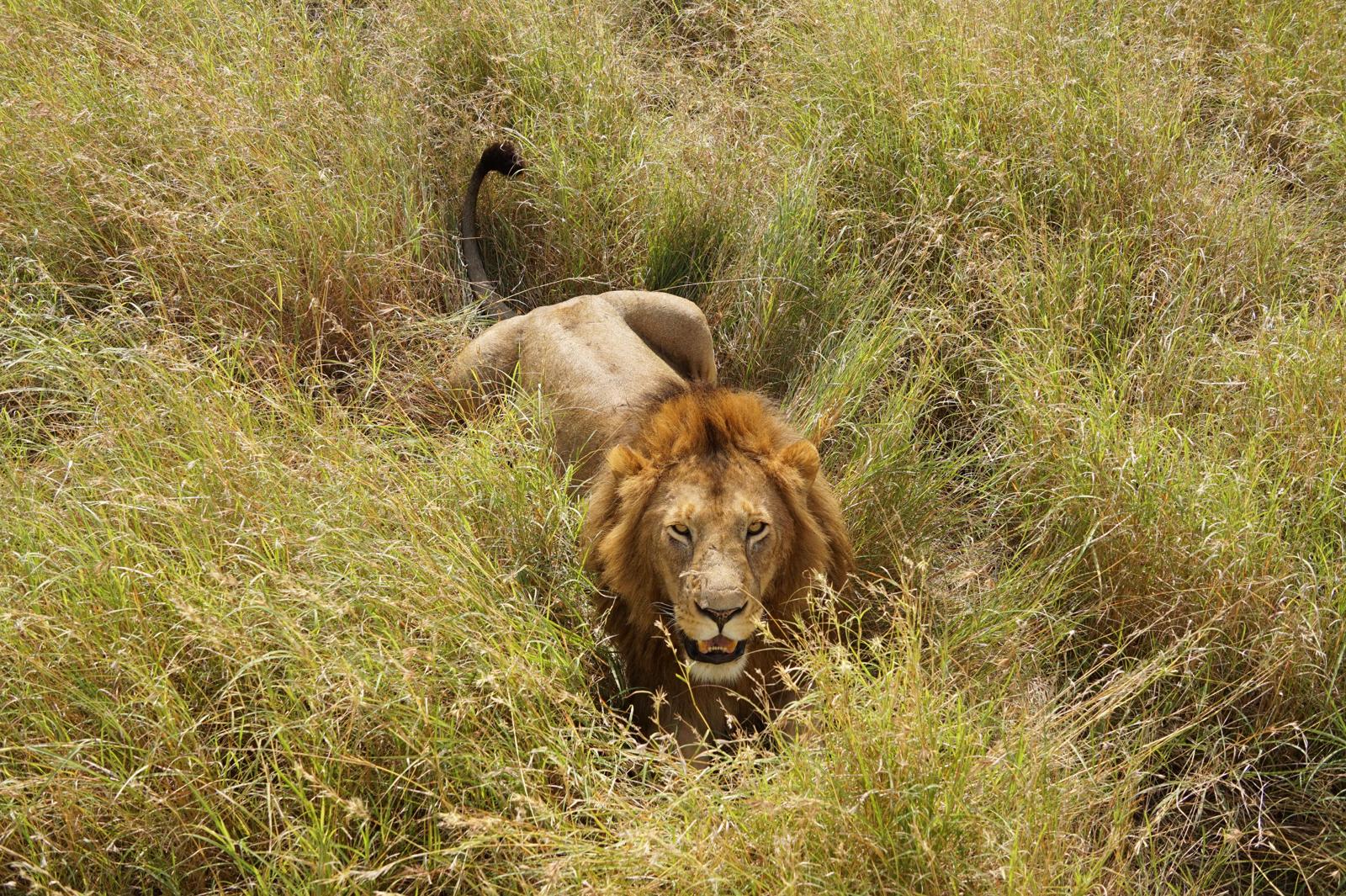
Ruaha is a vast, rugged southern park built around a sand river. It is remote on purpose. Most visitors fly. The ones who drive give it the days the road demands.
- Region
- Southern Tanzania, west of Iringa
- Managed by
- TANAPA
- Known for
- The Great Ruaha River, baobabs, predators
- How most people arrive
- A flight via Dar or Arusha
- A usual stay
- Three or four nights
- Feel
- Quiet, compared with the northern circuit
A river in dry country
Ruaha National Park is one of the largest parks in Tanzania, spread west of Iringa around the Great Ruaha River. In the dry months the river shrinks to pools and sand, and animals come to what water is left. The woodland is baobab country, rougher and redder than the Serengeti turf.
TANAPA manages it. The park was extended over the years and now takes in a great deal of former game-reserve land. You feel the size from a camp: the night is quiet, the dawn drive does not start behind six other vehicles, and the map your guide uses has room on it.
Predators, and the animals around them
Lions are the animal Ruaha is known for, often in large prides, along with leopards and cheetahs in smaller numbers. Elephants use the river. Greater and lesser kudu, sable and roan antelope are part of the southern cast that northern-circuit regulars have often never seen. Crocodiles and hippos hold the pools.
Wild dogs are present. They cover huge ranges and a guide who knows the current den is worth more than an extra hour of driving at random. Ask us which camp is actually near the area the dogs have been using. Camps advertise the whole park. Dogs use a corner of it.
When to go
The dry season, about June to October, and often into November, is when the river concentration works and the tracks are open. Green-season Ruaha can be excellent and empty, with breeding birds and long grass that hides the cats. We would not send a first-time safari there in April and call it the same trip as September.
BestGoodQuieter or wetter
How a Ruaha trip is shaped
Three nights is the minimum we would plan. Four is comfortable. The days are game drives, with walking safaris possible in some areas when an armed ranger is booked. Boat trips run on the river when the water allows, which is not every month.
Ruaha pairs with Nyerere if you want river boats and walking as well as a classic drive park, and with the coast if the flight home leaves from Dar. It pairs badly with a tight Kilimanjaro itinerary unless you fly and you have a week after the mountain, not two nights.
All three parks on one route are the 8-day Nyerere, Mikumi and Ruaha safari. You meet the vehicle in Dar es Salaam. The order is Nyerere, then Mikumi, then Ruaha.
Packages that include Ruaha National Park
These are the trips in our list that spend time here. A price is the starting price of that trip. A sample trip is a plan we can run. The camps and the price are confirmed when you ask.
All safaris
Questions people ask
- It is better if you want space, baobabs, a wild river and fewer vehicles. It is the wrong choice if the great migration is the reason you bought the ticket. We will say which one matches what you told us, rather than rank the parks.
- You can, and it is a long haul across the country, not a morning transfer. Flying into one of the Ruaha airstrips is how most of our guests would do it. The routing is confirmed when you enquire.
- Ruaha has a strong reputation for lions and for African wild dogs. Reputation is not a sighting. Spend three nights rather than one, be out early, and treat a dog pack as a gift.
References
The facts on this page were checked against these sources and written in our own words. Gate hours, fees and wildlife numbers change. We link the authority instead of printing a figure that will go stale.
Last reviewed 2026-10-28.