Kilimanjaro is the highest mountain in Africa, and you can walk to the top without ropes. That is the good news. This guide covers the other half: how the park works, which route to pick, what the altitude does, and what we would want to know before booking.
- Summit
- Uhuru Peak, 5,895 m
- Park
- Kilimanjaro National Park, 1,688 km²
- National park since
- 1973
- World Heritage since
- 1987
- Routes
- Seven recognised
- Nearest town
- Moshi
Mount Kilimanjaro in a paragraph
Kilimanjaro stands alone in north-eastern Tanzania, close to the town of Moshi and not far from the Kenyan border. It is a volcano with three cones: Kibo, the high one with the crater and the summit; Mawenzi, the jagged second peak; and Shira, the collapsed plateau on the west. Uhuru Peak, on the rim of Kibo, is 5,895 m above sea level and the highest point in Africa.
The mountain sits inside Kilimanjaro National Park, which was created in 1973 and added to UNESCO's World Heritage list in 1987. It covers roughly 1,688 km² and includes the whole mountain above the tree line, plus a belt of montane forest around it. The park is run by Tanzania National Parks (TANAPA), which sets the rules and the fees.
Five climate zones on one climb
The reason people say you walk through every climate from the equator to the Arctic is the height. As you climb, vegetation and weather change in steps. The figures below are the commonly published bands; they shift with the slope and the season.
From the base to the top
- Farmland and forest edge, below about 1,800 m: coffee, bananas and Chagga villages around the base.
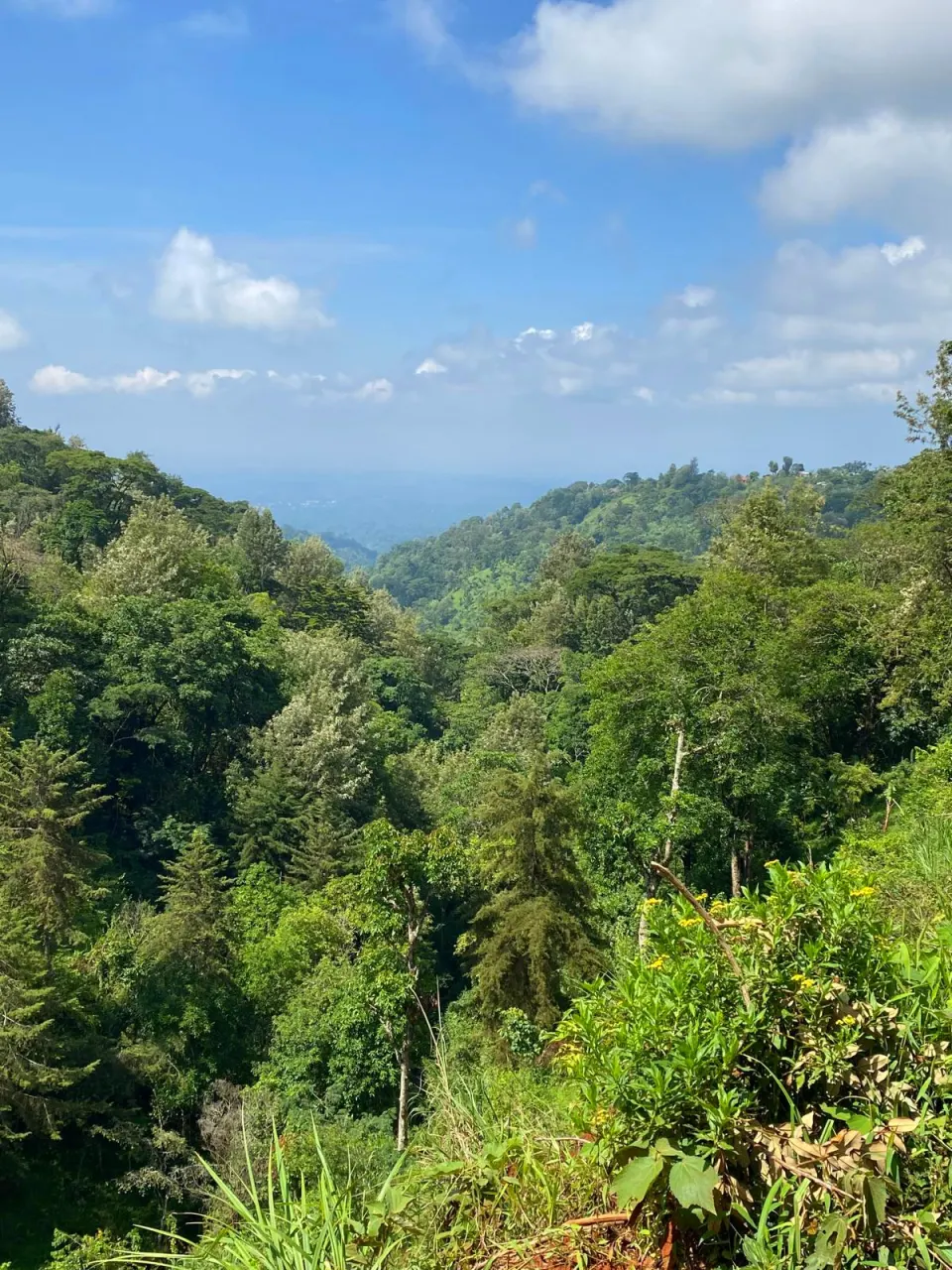
- Montane rainforest, roughly 1,800 to 2,800 m: damp, green, with colobus and blue monkeys. Cape buffalo and, rarely, elephants use the lower forest.
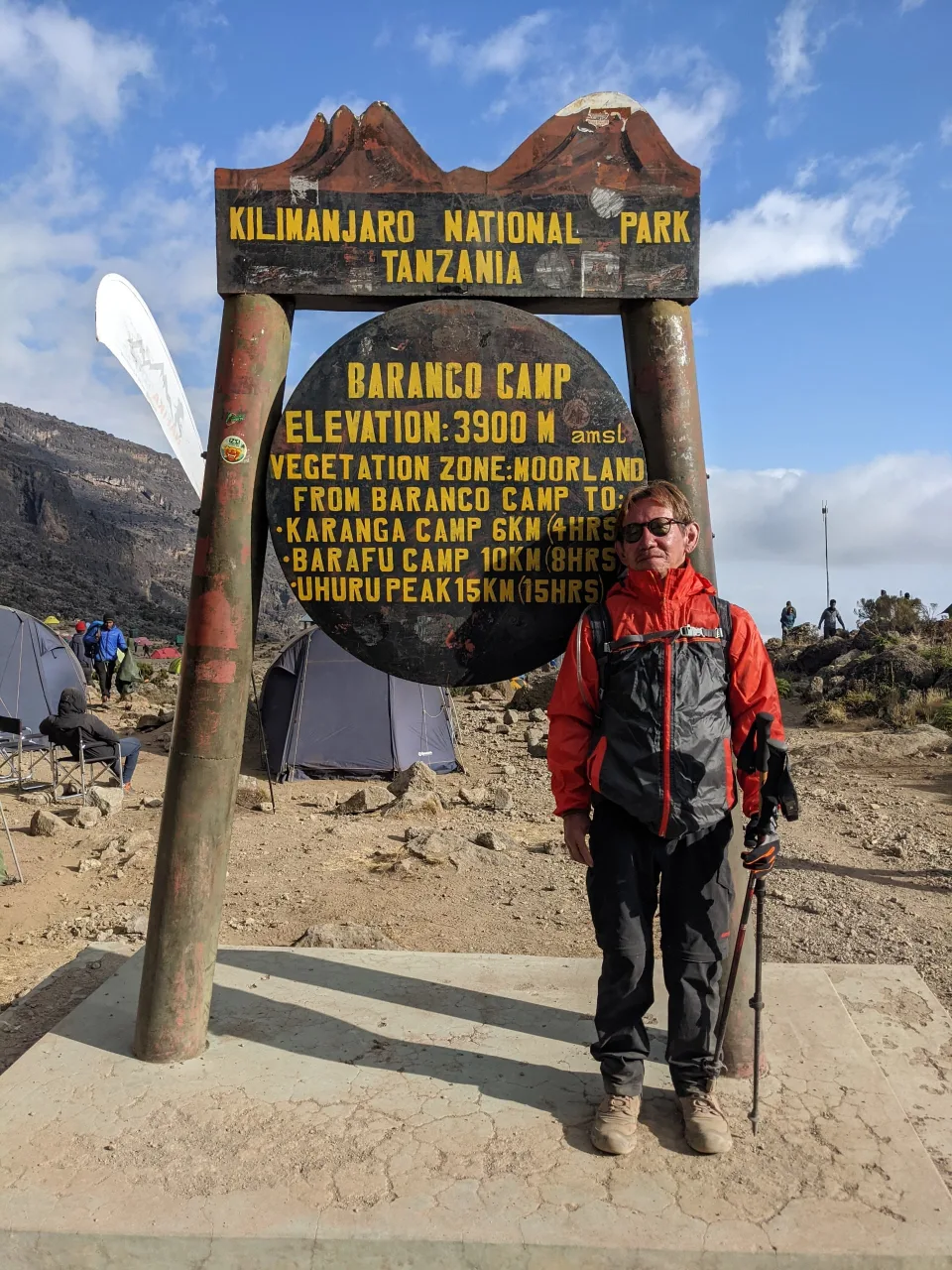
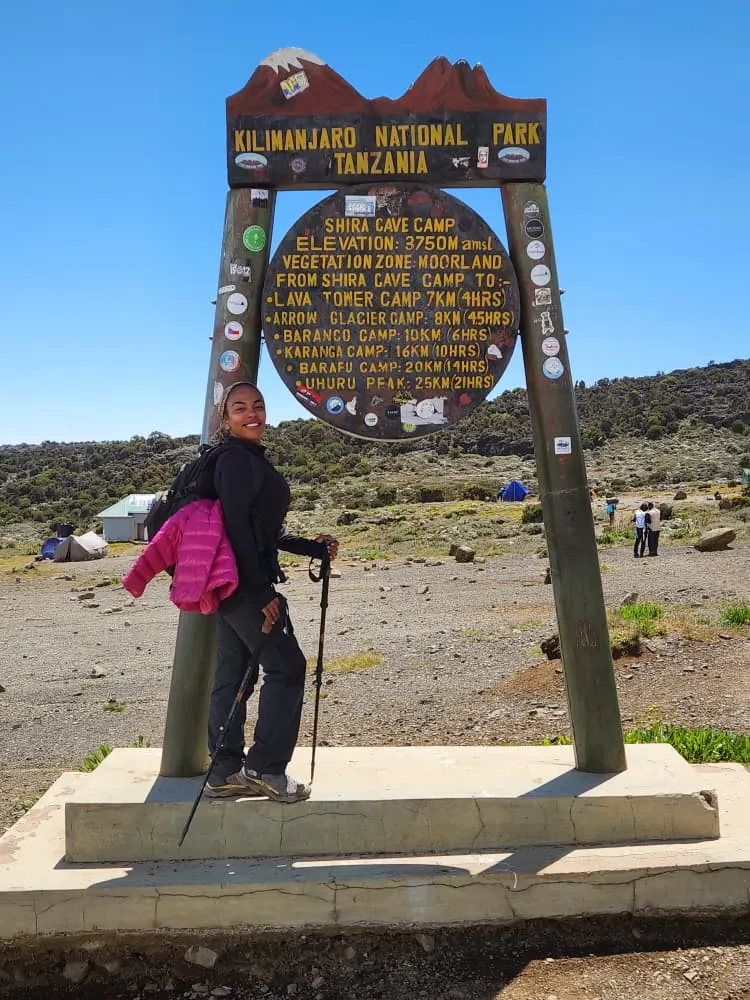
- Heath and moorland, roughly 2,800 to 4,000 m: giant heather, lobelias and groundsel, and wide views.
- Alpine desert, roughly 4,000 to 5,000 m: bare rock, cold nights, strong sun and little life.
- Arctic summit zone, above about 5,000 m: scree, ice and thin air. The glaciers that give Kilimanjaro its famous cap have shrunk a great deal over the last century.
How hard is it to climb Kilimanjaro?
It is not technical. On the standard routes you walk; you do not use ropes, ice axes or crampons. What makes it hard is altitude and the long summit night, not the terrain. A healthy walker who trains for a few months and takes enough days has a good chance of reaching Uhuru Peak. A fit person who rushes, or ignores a headache, has a much worse chance.
So can a beginner do it? Yes, if beginner means no mountaineering experience. If it means no fitness, no. Walking six to eight hours a day for a week, carrying a small pack, is the honest benchmark.
Kilimanjaro routes compared
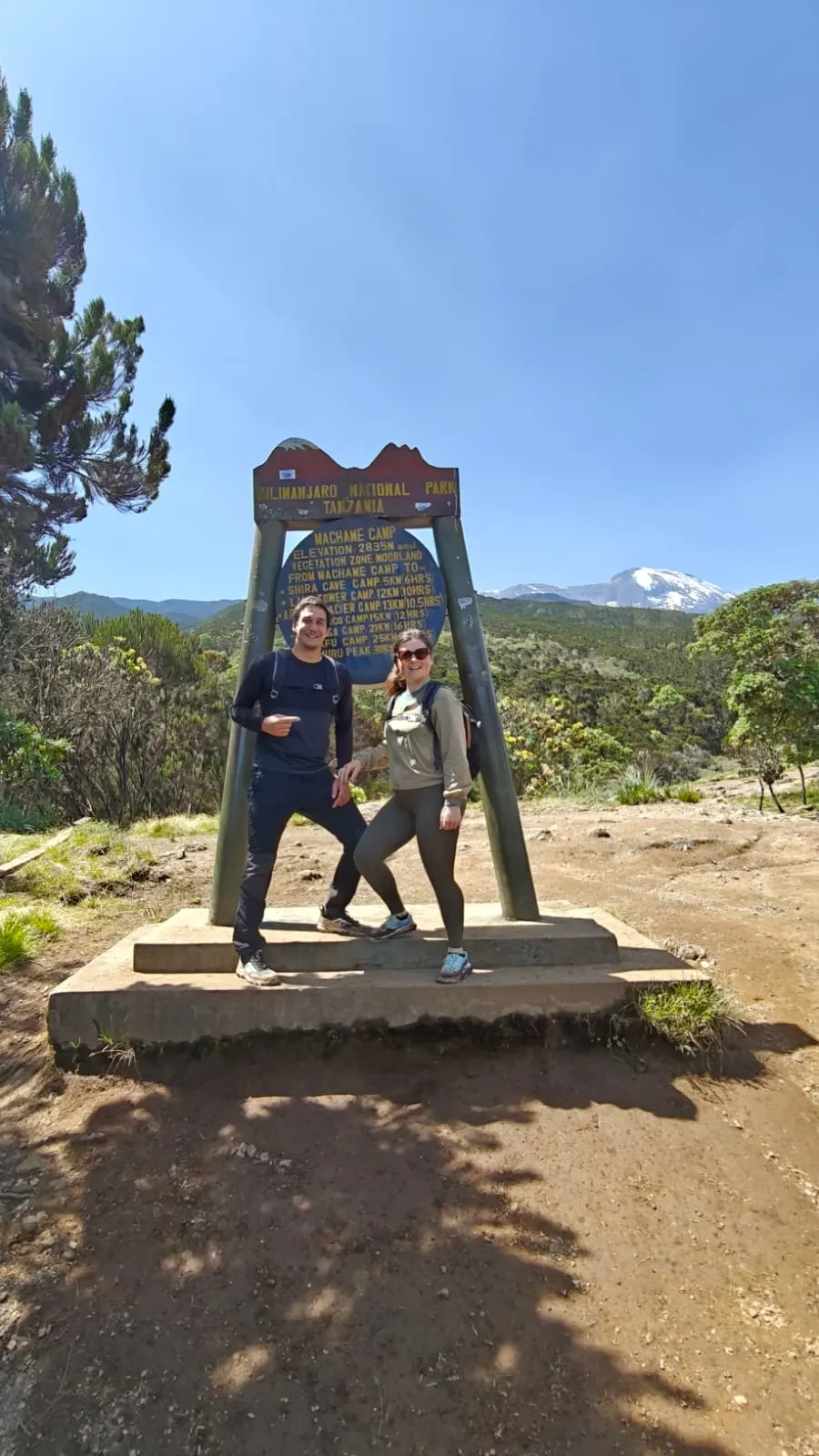
There are seven recognised routes. In practice most people choose from five. They differ by direction of approach, number of days, sleeping style and crowds, and they all share the same summit night. Think of them in three groups: the classic, Marangu, the only hut route; the southern camping routes, Machame, Lemosho, Umbwe and Shira; and the northern routes, Rongai and the Northern Circuit.
The best Kilimanjaro route for you
There is no single best route; there is a best route for your time, your nerves and your season. Start with how many days you have. Fewer than six, and your options are Marangu or a short Machame, and the odds of feeling good on summit night are lower. Seven or more opens up Machame, Lemosho and Rongai.
Then think about sleep. If you want a bed, Marangu is the only choice. If you can tolerate tents, everything opens up. Then crowds and season: the busiest times are July to October and the Christmas to February window.
If you cannot decide: seven-day Machame is the sensible default for most fit walkers; Lemosho at seven or eight days is the better-paced option if you have the time; Rongai is the pick for the rains. For a longer discussion, read Machame or Lemosho and six days or seven.
Compare at a glance
| Route | Days | Sleeping | Difficulty | Crowds | Scenery | Acclimatisation |
|---|---|---|---|---|---|---|
| Marangu Route | 5 or 6 | huts | 3/5 | 4/5 | 2/5 | 2/5 |
| Machame Route | 6 or 7 | tents | 3/5 | 4/5 | 5/5 | 4/5 |
| Lemosho Route | 7 or 8 | tents | 3/5 | 2/5 | 5/5 | 5/5 |
| Rongai Route | 6 or 7 | tents | 2/5 | 2/5 | 3/5 | 3/5 |
| Northern Circuit | 8 or 9 | tents | 3/5 | 1/5 | 5/5 | 5/5 |
| Umbwe Route | 5 or 6 | tents | 5/5 | 1/5 | 4/5 | 1/5 |
| Shira Route | 6 or 7 | tents | 4/5 | 2/5 | 4/5 | 2/5 |
Ratings are a guide, not a promise. Higher crowds means busier trails. Acclimatisation is the biggest factor in reaching the summit.
Beginner and family Kilimanjaro climbs
For a first climb, choose time over speed. Seven-day Lemosho and seven-day Machame are the usual beginner routes, because the pace is gradual and you gain a night of rest before the push. Rongai is a good quiet choice if camps full of people put you off. Marangu suits people who want a bed, but take the six-day version.
Families should check the park's minimum age before booking, then plan around the child, not the route. Children get altitude sickness too and may not tell you. A shorter trek on the lower slopes, such as a Machame day or overnight hike, is often a better first taste than a summit attempt. Tell us ages and experience when you enquire.
Kilimanjaro routes on a 3D map
Load the map and switch between all seven routes to see where each one starts, where they meet and where they finish. It opens only when you press the button, so it does not slow the page.
Best time to climb Kilimanjaro
There are two dry windows: about June to October, and late December to early March. The long rains arrive around March to May and a shorter wet spell comes in November. In the rains trails are muddy and the top can be icy, though the mountain is much quieter.
January and February are warm and clear but busy. June to October is cold at night and dry, and the busiest of all in July and August. See best time to climb for the month by month view.
Altitude sickness and the chance of reaching the top
The summit is higher than any ground most visitors have stood on. Air pressure there is roughly half of sea level. The body can adapt, but only slowly, and most of the difficulty on Kilimanjaro is that people climb faster than they adapt.
Mild symptoms are common: a headache, poor sleep, loss of appetite. They are a signal to slow down and drink water. Worsening symptoms, such as a severe headache that does not ease, vomiting, loss of balance, or confusion, are a signal to go down, whatever the plan was. Your guide will check you every day and the decision to descend is theirs.
You will see summit success rates quoted online, often as flattering percentages. We do not quote one, because the figures depend on who counts and how, and no honest operator can promise you the top. What we can say is what moves the odds: more days, a slow pace, enough water and food, good sleep where possible, and telling your guide the truth. Medication to help with altitude exists; speak to your doctor well before you travel. Read more in altitude on Kilimanjaro.
Private climbs, group climbs and park rules
You cannot climb alone. The park requires a licensed guide, and in practice a crew of guides, cooks and porters comes with every group. Routes are fixed; you cannot create your own.
A private climb means your party sets the dates and pace. If you are travelling solo and would like company, ask whether a group is leaving on your dates; we confirm before you pay. More on group climbs.
There are limits on what porters can carry and on how they must be treated. Ask any operator how they pay and equip their crew. A fair operator will answer straight away.
Kilimanjaro climbing cost: what you are paying for
Park fees are paid to TANAPA per person per day and make up a large share of what any climb costs, which is why very cheap offers should make you ask questions. The rest covers the crew, food, camping gear or hut fees, transfers, the operator's margin and safety kit. Luxury, budget and mid-range climbs differ mainly in crew size, equipment quality and comfort, not in the mountain.
Every package on this site shows its starting price per person, and the cost page explains what changes it. See also park fees.
Training for Kilimanjaro
Kilimanjaro rewards fitness but not extreme fitness. What matters most is being able to walk for six to eight hours a day, several days in a row, carrying a small pack. Start training at least two or three months out. Hills, long walks with a loaded bag, and stairs are all good.
Break in your boots, practise with your poles and sleep out in your bag at home if you can. Do a long walk the weekend before you fly to check nothing rubs.
What summit night is like
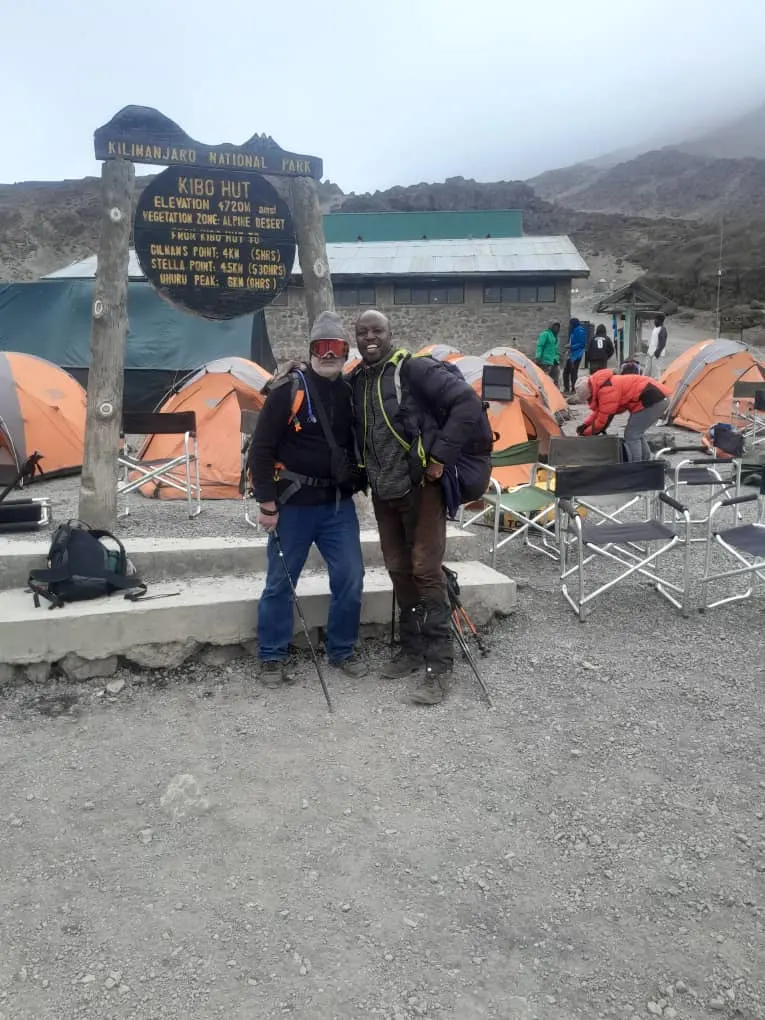
It starts around midnight, in the dark, usually below freezing. You walk slowly up a steep scree path by head torch. At the crater rim you reach Stella Point or Gillman's Point, depending on the route, and the sun usually rises around then. The highest point, Uhuru Peak, is a further walk along the rim.
Most people find it the hardest physical thing they have done. Keep your water from freezing, eat something sweet, move at the pace of the slowest person, and do not stay long at the top. Then you go all the way down.
Kilimanjaro packing list: the kit that matters
Boots, a good waterproof jacket, a warm layer for camp, a hat and gloves for summit night, a head torch and a sleeping bag rated well below zero are non-negotiable. Our list is in packing for Kilimanjaro. Gear can often be hired in Moshi; ask when you book.
Kilimanjaro and safari, or Kilimanjaro and Zanzibar
Many people climb first and then rest. Climb first, safari second is the usual order, so your legs recover in a vehicle. A beach week on Zanzibar after a summit is the classic reward. Mount Meru, near Arusha, is a good warm-up before the big mountain; see Mount Meru. The combination trips page shows sample sequences.
Kilimanjaro climbing packages
All treks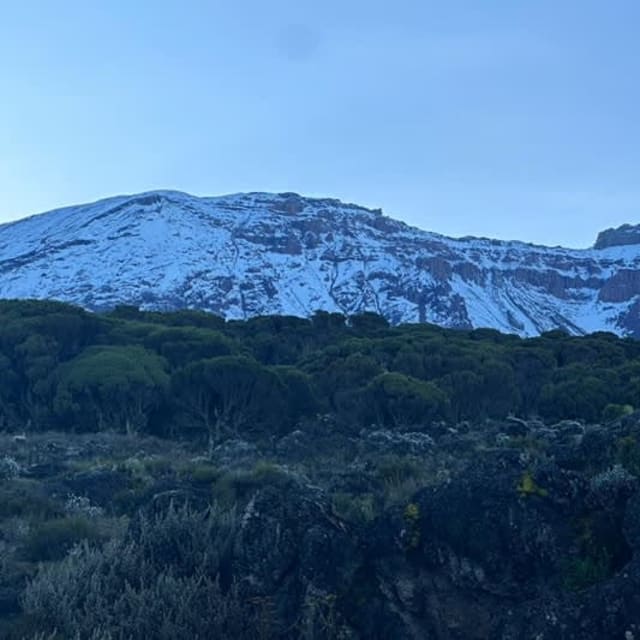 1 day · Day trip
1-Day Machame Route Day Hike from Moshi or Arusha
Mount Kilimanjaro, Tanzania · moderate
1 day Machame Route Moshi hike: rainforest trail to 3,010m with an expert guide and picnic lunch.
Departs Moshi or Arusha. Same trip either way.
From, per person
$210
 1 day · Day trip
1-Day Marangu Route Day Hike from Moshi or Arusha
Mount Kilimanjaro, Tanzania · moderate
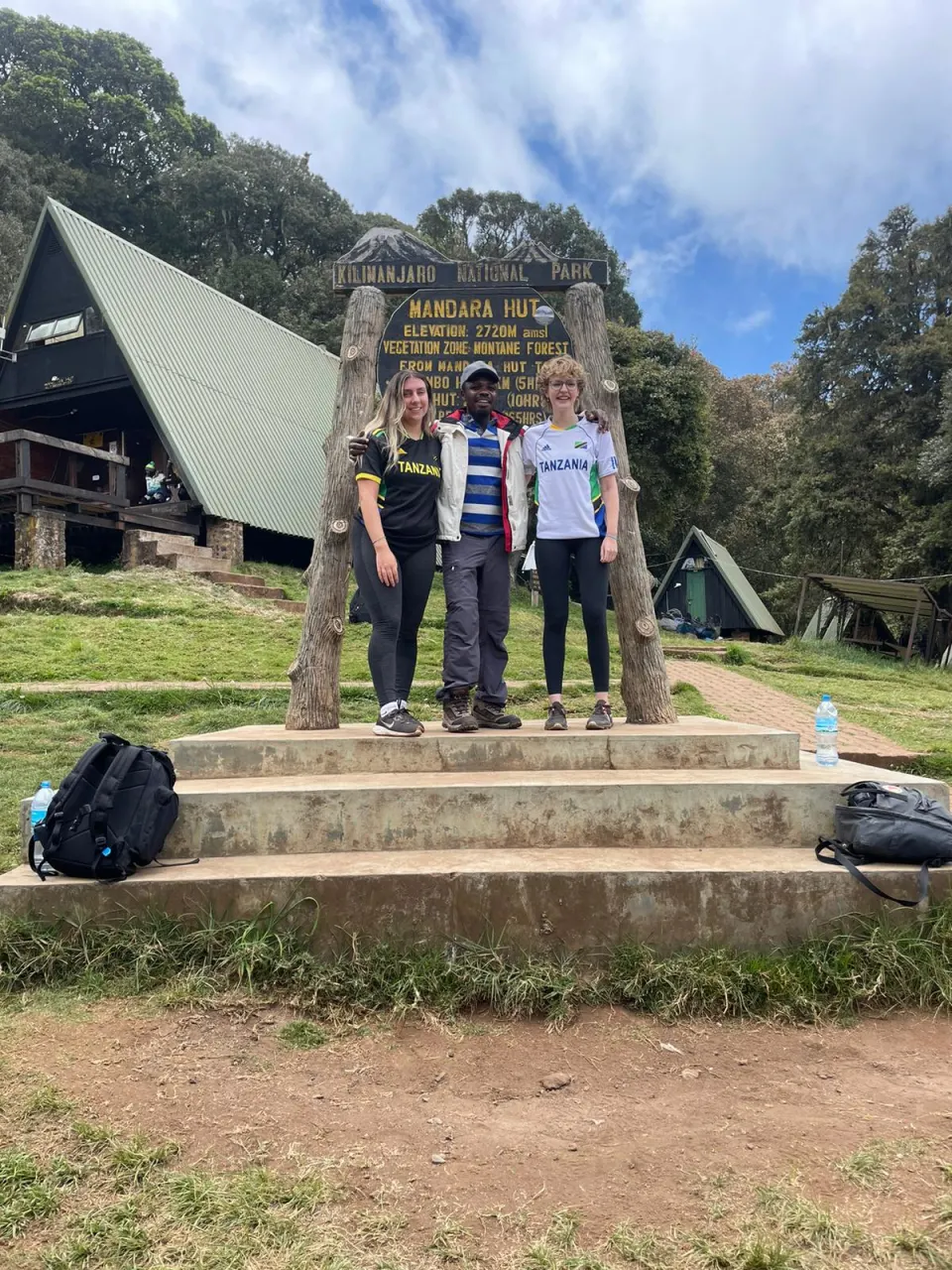
1 day Marangu Route Moshi hike: Kilimanjaro's easiest day hike to Mandara Hut (2,700m) and Maundi Crater.
Departs Moshi or Arusha. Same trip either way.
From, per person
$240
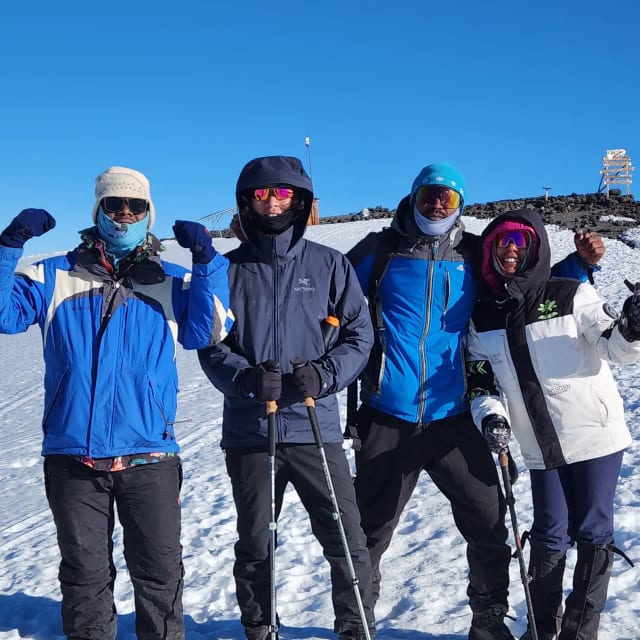 1 day · Day trip
1-Day Rongai Route Hike from Moshi or Arusha
Mount Kilimanjaro, Tanzania · moderate
1 day Rongai Route Kilimanjaro hike on the quiet northern side: pine forest and Simba Camp, with an expert guide.
Departs Moshi or Arusha. Same trip either way.
From, per person
$280
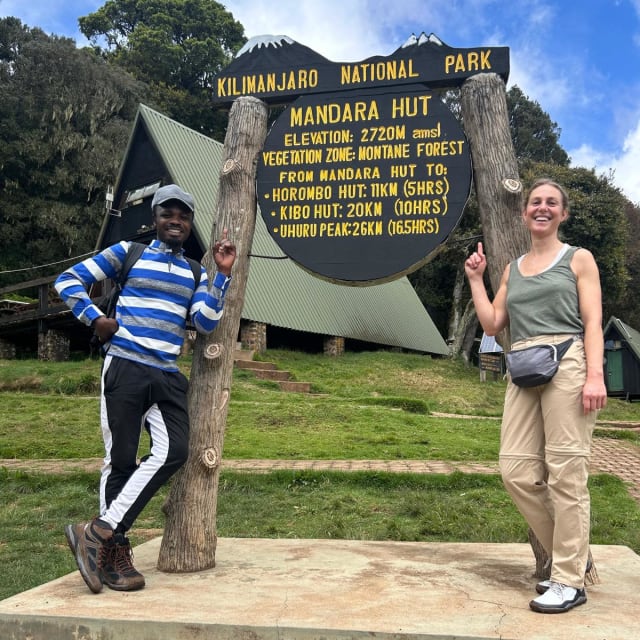 2 days · Trek
2-Day Machame Route Overnight Hike from Moshi or Arusha
Mount Kilimanjaro, Tanzania · challenging
2 day Machame Route Moshi overnight trek: camp at 3,010m on Kilimanjaro with all meals and equipment, then descend next morning.
Departs Moshi or Arusha. Same trip either way.
From, per person
$490
 2 days · Trek
2-Day Marangu Route Hut Stay from Moshi or Arusha
Mount Kilimanjaro, Tanzania · easy
2 day Marangu Route Moshi hut stay on Kilimanjaro: sleep at Mandara Hut (2,720m) in the rainforest zone.
Departs Moshi or Arusha. Same trip either way.
From, per person
$490
2 days · Trek 2-Day Rongai Route Hike from Moshi or Arusha
Mount Kilimanjaro, Tanzania · challenging
2 day Rongai Route Kilimanjaro trek on the quiet northern side: pine forest and Simba Camp, with an expert guide.
Departs Moshi or Arusha. Same trip either way.
From, per person
$580
3 days · Trek 3-Day Machame Route Trek from Moshi or Arusha
Mount Kilimanjaro, Tanzania · challenging
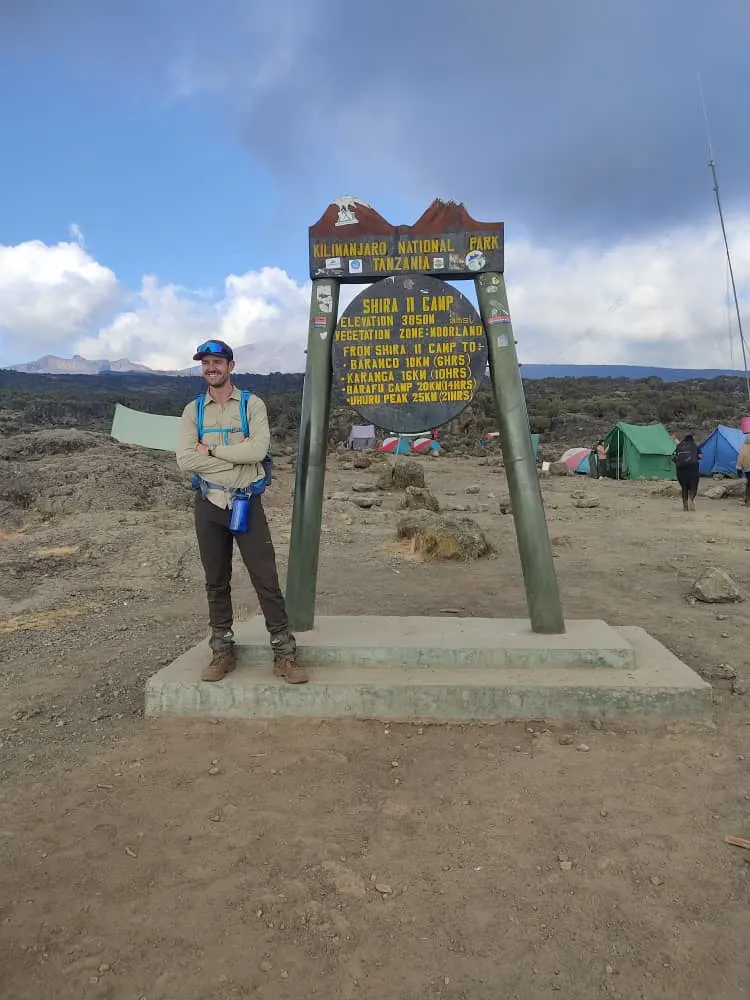
3 day Machame Route Moshi trek on Kilimanjaro to the Shira Plateau (3,840m). Camping, meals and guiding included.
Departs Moshi or Arusha. Same trip either way.
From, per person
$750
 3 days · Trek
3-Day Marangu Route Horombo Hut Trek from Moshi or Arusha
Mount Kilimanjaro, Tanzania · challenging
3 day Marangu Route Moshi hut trek to Horombo Hut (3,720m) on Kilimanjaro. Moorland scenery and Mawenzi views.
Departs Moshi or Arusha. Same trip either way.
From, per person
$700
Questions people ask
- It is not technical, but it is demanding because of altitude and the long summit night. A fit, healthy walker who takes enough days has a good chance. Rushing is the main thing that goes wrong.
- Seven is a sensible default for most routes, six is the practical minimum for many, and eight or nine suit people who want the most margin.
- Yes. The park requires a licensed guide, and your crew will include porters and a cook.
- Yes. You need general fitness and preparation, not mountaineering skills. No ropes or ice axes are needed on the standard routes.
- It depends on your time and priorities. Lemosho at seven or eight days is the best-paced; Machame is the most popular; Marangu is the hut option; Rongai suits the rains.
- Most first-timers do well on a seven-day Lemosho or Machame, or on Rongai if they prefer quiet. Choose more days over fewer.
- June to October and late December to early March are the driest windows. They are also the busiest.
- It depends on the route, the number of days, the group size and the comfort level. Park fees are a large fixed part. Each package shows its own starting price, and the cost page explains the rest.
- Thousands of people climb every year without problems, and the risks are mainly altitude and weather. Choose a route with enough days, listen to your guide and be honest about symptoms.
- Yes, and it is very common. Climb first, then safari or beach. See the combination trips page for sample sequences.
- Many people reach the top in their forties, fifties and sixties, and plenty are not athletes. What decides it is time and preparation, not youth: choose a long route (seven or eight days), train with hills and long loaded walks for at least two or three months, and walk slowly on the mountain. If you have a heart, lung or blood-pressure condition, see your doctor before you book.
- Ask for the company's Tanzanian business licence and TATO membership, check them on the official register, and read recent reviews on more than one site. Ask how many people are in the crew and how porters are paid and equipped. A fair operator answers these quickly and writes the answers down.
- A deposit that secures the date is normal. What matters is that the rest is paid by a clear rule, the receipt names exactly what is included, and the company is registered and reachable. Be careful with anyone who asks for the full price by bank transfer to a personal account.
- Tips are a normal and important part of crew income. Guides, cooks and porters are tipped in a pooled way at the end of the climb, in local or US currency, with the group present. Ask your operator for their written tipping guideline before you go, so you can budget; see our tipping guide.
- Acetazolamide is a prescription drug that some doctors recommend for altitude. It does not replace a slow ascent. Talk to your own doctor well before the trip, try it at home first if they prescribe it, and tell your guide you are taking it.
- It helps. Around a full moon the trail is visible without a head torch for much of the climb, and it feels less lonely and less cold. It also means more people choose those dates, so book earlier. Check the moon calendar for your month; you can still summit on a dark night with a good head torch.
- At the high camps and on summit night it is usually below freezing, and wind makes it feel colder. Layers matter more than one thick coat: a base layer, fleece, insulated jacket, a waterproof shell, warm hat, gloves and a sleeping bag rated well below zero. See packing for Kilimanjaro.
- Camps have basic long-drop toilets and many groups carry a private toilet tent on request. There are no showers; wet wipes and a small washing bowl brought by the crew are the norm. Bring a power bank, since charging points do not exist on the trail, and keep electronics warm so batteries last.
- You cannot walk the mountain without a licensed guide, but you can book as one person and still have a full crew. Whether you join a group depends on whether other climbers are going on your dates; ask us and we confirm before you pay. See group climbs.
- Yes. Choose a policy that explicitly covers trekking to 6,000 m and emergency evacuation. Standard holiday cover often stops at a lower altitude. Read the exclusions before you buy and carry the policy number with you.
- Yes, and it is a common sequence: climb first, safari second, beach last, so your legs recover in a vehicle and then on sand. Allow about two weeks for all three. See the combination trips.
- Requirements change, so check your own government's travel health advice and Tanzania's immigration site close to your travel date. Many visitors need an e-visa; see our visa guide. Ask a travel clinic about vaccinations well ahead.
References
Facts on this page were checked against these sources and written up in our own words. Camp heights and times differ between sources by up to about 100 m and an hour; we give rounded figures.
- Kilimanjaro National Park Tanzania, routes and rules
- Kilimanjaro National Park, Wikipedia
- Tanzania National Parks (TANAPA), rules and fees
- UNESCO World Heritage Centre, Kilimanjaro National Park
- r/Kilimanjaro, climber questions and trip reports
- r/safaris, Tanzania operator and itinerary questions
Last reviewed 2026-10-28.