
What a Tanzania safari actually costs As a realistic 2026 guideline, expect roughly US$250–450 per person per day for a mid-range safari sharing a vehicle. That puts common trips at:
What a Tanzania safari actually costs
As a realistic 2026 guideline, expect roughly US$250–450 per person per day for a mid-range safari sharing a vehicle. That puts common trips at:
- 3-day safari: ~US$1,100–1,500 pp
- 5-day safari: ~US$1,500–2,500 pp
- 7-day safari: ~US$2,500–3,500 pp
Budget camping safaris sit below this range; luxury lodge and fly-in safaris sit well above it.
Where your money actually goes
Travellers are often surprised that a large share of the cost is fixed and identical for every operator:
- Park & concession fees: set by the government (TANAPA) and the Ngorongoro authority; these alone can be US$70–250+ per person per day.
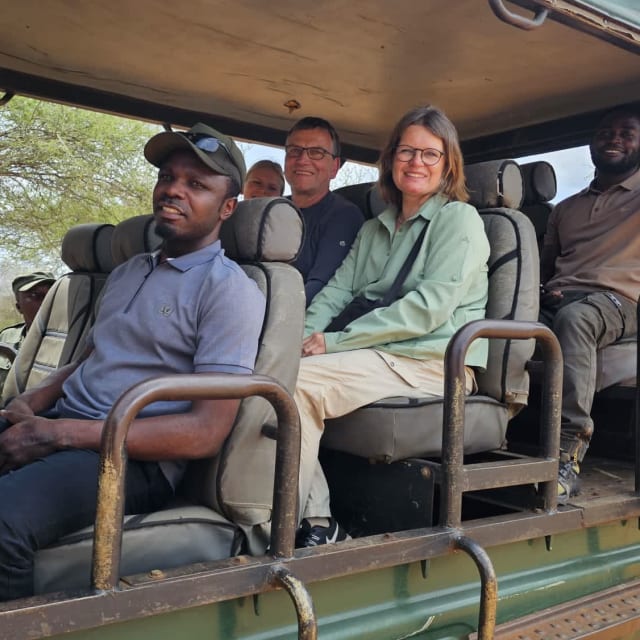
- Vehicle, fuel & guide: a 4x4 Land Cruiser with a professional guide is the core of the safari.
- Accommodation & meals: from campsites to lodges.
- Transfers and operator service.
This is why you cannot do a genuine Serengeti and Ngorongoro safari for a few hundred dollars: the park fees alone prevent it.
Is a Tanzania safari worth it?
For most visitors, yes. The density and reliability of wildlife in the northern circuit, and the chance to see the Great Migration and the Big Five, are hard to match anywhere else. The key is transparency: a trustworthy operator will itemise park fees separately so you can see you are paying for conservation, not just markup.
How to keep costs reasonable
Travel in the green season (December–March) for lower rates, join a group-departure safari to split vehicle costs, or combine fewer parks over more days to reduce daily fees. We are happy to build an itinerary to a stated budget.