
The Honest Answer: It Depends on Three Things Tanzania's 22 national parks and 29 game reserves hold over 4 million large mammals: the largest wildlife biomass in the world. But which animals you see depends on: which parks you visit (each has a distinct wildlife profile), which season (wet season disperses animals; dry season concentrates them), and how many days you spend (more game drives exponentially improve cumulative sightings). The guide below gives realistic probabilities based on standard mid-range safari conditions, not the highlight reel from a professional wildlife photographer's 21-day trip.
The Honest Answer: It Depends on Three Things
Tanzania's 22 national parks and 29 game reserves hold over 4 million large mammals: the largest wildlife biomass in the world. But which animals you see depends on: which parks you visit (each has a distinct wildlife profile), which season (wet season disperses animals; dry season concentrates them), and how many days you spend (more game drives exponentially improve cumulative sightings). The guide below gives realistic probabilities based on standard mid-range safari conditions, not the highlight reel from a professional wildlife photographer's 21-day trip.
Serengeti National Park: Wildlife Profile
Almost certain (95%+ probability on a 3-day visit): Lion, elephant, buffalo, zebra, wildebeest (especially July–October or January–March), cheetah, giraffe, hippo, crocodile, mongoose, various antelope species. High probability (70–85%): Leopard (Seronera River area), hyena, jackal, vulture. Possible (30–50%): Wild dog (rare in Serengeti). Rare: Black rhinoceros.
Ngorongoro Crater: Wildlife Profile
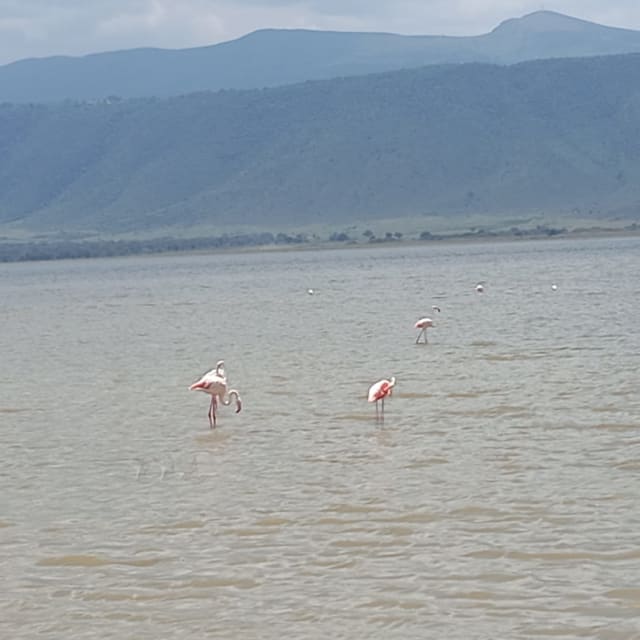
Almost certain: Lion, elephant (bulls only), buffalo, hippo, zebra, wildebeest, flamingo (numbers vary), hyena, jackal. High probability: Black rhinoceros (30+ resident, 80%+ daily sighting rate), ostrich, various raptors. Moderate: Leopard (forest fringe: morning best). Not present: Giraffe (never colonised the crater: too steep), cheetah (very rare), wild dog.
Tarangire National Park: Wildlife Profile
Almost certain (June–October): Elephant (extraordinary density: 100+ individual herds common), buffalo, zebra, wildebeest. High probability: Lion, leopard, giraffe, impala, gerenuk (unusual). Moderate: Wild dog (denning season: one of northern Tanzania's more reliable sightings), cheetah. Notable: Over 550 bird species including the ground hornbill and yellow-collared lovebird.
Lake Manyara National Park: Wildlife Profile
Almost certain: Elephant (highest density per km² in Tanzania), hippo, buffalo, zebra. High probability: Tree-climbing lions (the park's signature: most game drives produce a sighting), flamingo (seasonal), baboon, vervet monkey. Moderate: Leopard (groundwater forest). Notable: 400+ bird species including pink-backed pelican, Goliath heron.
Nyerere National Park (Selous): Wildlife Profile
Almost certain: Elephant, hippo (Rufiji River: extraordinary density), crocodile, buffalo, lion. High probability: African wild dog (one of Africa's best sightings: 200+ individuals). Moderate: Leopard, cheetah. Unique: Boat safari on the Rufiji River: waterbuck, elephant swimming, hippo pods viewed from water level. Not present: Rhinoceros.
Tanzania Big Five Sighting Summary
| Park | Lion | Leopard | Elephant | Buffalo | Rhino |
|---|---|---|---|---|---|
| Serengeti | ✓✓✓ | ✓✓ | ✓✓ | ✓✓✓ | Rare |
| Ngorongoro | ✓✓✓ | ✓ | ✓✓ | ✓✓✓ | ✓✓✓ |
| Tarangire | ✓✓ | ✓✓ | ✓✓✓ | ✓✓✓ | — |
| Lake Manyara | ✓✓ | ✓ | ✓✓✓ | ✓✓ | — |
| Nyerere | ✓✓ | ✓ | ✓✓✓ | ✓✓✓ | — |
✓✓✓ = Almost certain sighting. ✓✓ = High probability. ✓ = Possible with time and luck.: = Not present.
A Note on Wildlife Photography vs Wildlife Viewing
Safari wildlife viewing and wildlife photography are different activities. A lion 80m from your vehicle is an outstanding wildlife sighting: it's a difficult photography target without a long telephoto lens. Most Tanzania safari guests are wildlife viewers, not photographers. Set expectations for the experience, not the images: the images are a bonus that requires significant lens investment and many game drive hours to achieve reliably.