
Minimum Age Requirements Tanzania's national parks have no official minimum age for safari. However, individual camps and lodges set their own minimums, typically: Under 5: Some luxury camps accept children 0+, but most standard safari camps require a minimum age of 5 or 7 for liability reasons. 5–7: Widely accepted at mid-range and most tented camps. Game walks and bush activities are usually restricted to 8 or 12+. 8–12: Full access to most camps and all standard safari activities. 12+: Access to walking safaris and all adventure options.
Minimum Age Requirements
Tanzania's national parks have no official minimum age for safari. However, individual camps and lodges set their own minimums, typically: Under 5: Some luxury camps accept children 0+, but most standard safari camps require a minimum age of 5 or 7 for liability reasons. 5–7: Widely accepted at mid-range and most tented camps. Game walks and bush activities are usually restricted to 8 or 12+. 8–12: Full access to most camps and all standard safari activities. 12+: Access to walking safaris and all adventure options.
Malaria: The Most Important Planning Factor
Tanzania is a malaria-endemic country. Malaria prophylaxis is essential for all ages, and the medication options differ for children. Malarone (atovaquone/proguanil) is the most common child-friendly option: dosed by body weight, available as paediatric tablets, and well-tolerated. Doxycycline is not recommended for children under 8. Consult a travel medicine specialist or paediatrician at least 6–8 weeks before departure. Additionally: DEET insect repellent (30% for children), mosquito nets at camp (most camps provide), and covering arms and legs at dawn and dusk.
Best Tanzania Parks for Families
Tarangire National Park: Best for Young Children
Tarangire's combination of enormous elephant herds and baobab tree landscapes is uniquely exciting for young children. Elephants are approachable at close range, completely non-threatening to vehicles, and fascinating at any age. The relatively compact road network means morning game drives are efficient (back at camp before midday heat). Most Tarangire lodges allow children of all ages.
Lake Manyara: Excellent Half-Day Option
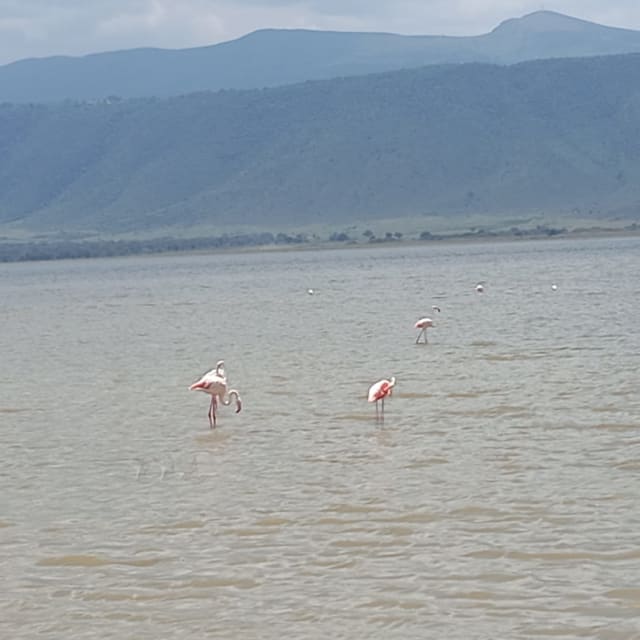
Manyara's small size makes it ideal for families with limited attention spans: a 3–4 hour drive covers most of the park and almost always delivers tree-climbing lions, flamingos, and elephant at the groundwater forest. The short duration works perfectly for younger children.
Ngorongoro Crater: Best One-Day Wildlife Experience
A single Ngorongoro Crater descent delivers more species in one day than most parks deliver in three. For families with limited safari days, this is the most efficient wildlife experience in Tanzania. The crater's enclosed nature means every game drive produces results: no long transit drives across empty plains.
Serengeti: Better for Older Children (8+)
The Serengeti's distances mean longer game drive times in the vehicle. For young children (under 6), the Serengeti's rewards require a patience threshold that 5-year-olds don't always have. For children 8+, the scale of the ecosystem, the migration herds, and the predator encounters are profoundly educational and genuinely exciting.
Game Drive Fatigue: Managing It
The most common family safari challenge: a child who was fascinated by elephants on day 1 is bored by day 3. Strategies that work: binoculars (children with their own binoculars engage differently with distant wildlife), wildlife identification cards (available at most lodges: identifying species is an activity, not just viewing), game viewing journals (children drawing or writing about what they've seen), and keeping morning drives shorter (4 hours maximum) with camp activities in the afternoon.
Child-Friendly Camp Features to Look For
- Swimming pool (essential for young children who need non-game drive activity)
- Junior ranger programs (available at some Serengeti and Ngorongoro camps)
- Family tents or connecting rooms (not a single tent for 4 people)
- Children's menus or flexible meal timing
- Camp boundary safety protocols (electric fencing or boma perimeter)