
Kilimanjaro's Two Main Climbing Seasons Kilimanjaro has two distinct dry seasons that form the peak climbing windows: January–February (short dry season) and June–October (long dry season). Both offer good summit conditions. Between them lie the long rains (March–May) and short rains (November–December), which are technically still climbable but require more tolerance for wet conditions and reduced visibility.
Kilimanjaro's Two Main Climbing Seasons
Kilimanjaro has two distinct dry seasons that form the peak climbing windows: January–February (short dry season) and June–October (long dry season). Both offer good summit conditions. Between them lie the long rains (March–May) and short rains (November–December), which are technically still climbable but require more tolerance for wet conditions and reduced visibility.
January and February: Cold, Clear, and Uncrowded
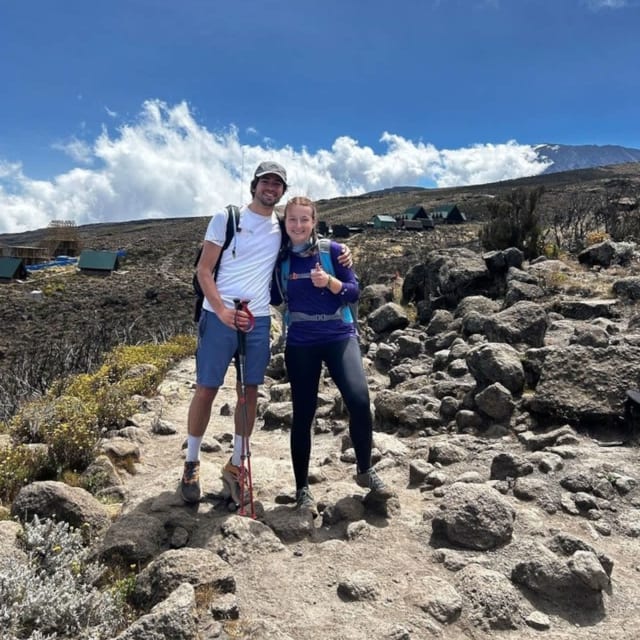
The short dry season is one of Kilimanjaro's best-kept secrets. January and February typically offer: cold, clear nights (excellent summit conditions), exceptional summit views (Kilimanjaro's famous ice fields are best photographed in the crisp dry-season air), significantly fewer trekkers than the July–September peak, and prices often 10–15% lower than peak season. The trade-off: January is one of the coldest months on the summit (-15 to -25°C with wind chill). Layering system and gear quality matter more in January than in warmer months.
March, April, and May: The Long Rains
The long rains are Kilimanjaro's least popular climbing season, and with reason. The rainforest sections become muddy and slippery, low cloud reduces visibility on the upper mountain, and summit night conditions can involve rain, snow, or ice on unexpected sections. However, some operators and experienced trekkers specifically choose the long rains: prices are significantly lower (sometimes 20–30%), trails are virtually empty, the mountain is lush and green, and success is still possible with proper gear and an experienced guide. The Lemosho and Rongai routes handle the long rains better than Machame: their approach paths are more sheltered.
June, July, and August: Peak Season
The beginning of the long dry season. June is excellent: trails are drying out, temperatures are moderate, and crowds haven't peaked yet. July and August see the highest trekker volumes of the year (combined with the Great Migration safari season, many visitors do both). Conditions are reliable, summit views are good, and the mountain hums with activity. Book 6–9 months ahead for July and August: popular operators fill these months first.
September and October: Late Dry Season
September offers Kilimanjaro's best overall combination: reliable dry conditions, peak temperatures that moderate slightly from August, and crowds beginning to thin as the school holiday season ends. October sees the first rains of the short rainy season arrive: typically as afternoon showers rather than all-day events. Many trekkers find October conditions acceptable, with the added benefit of reduced prices and fewer vehicles on approach roads.
November and December: Short Rains
November brings short rains: typically afternoon showers that clear by evening. Summit conditions are usually still viable, especially on routes with a north-face approach (Rongai, Northern Circuit) where the rain shadow reduces precipitation. December improves significantly toward Christmas: the Christmas/New Year window (Dec 20–Jan 5) is actually one of the most popular and expensive times to climb, driven by international visitor schedules.
Month-by-Month Quick Reference
| Month | Conditions | Crowds | Price |
|---|---|---|---|
| January | Excellent: cold and clear | Low | Mid |
| February | Excellent | Low | Mid |
| March | Long rains begin | Very low | Low |
| April | Wet season: challenging | Minimal | Lowest |
| May | Wet, clearing late | Minimal | Low |
| June | Very good | Moderate | Mid-High |
| July | Excellent | High | High |
| August | Excellent | Highest | Peak |
| September | Excellent | High-Moderate | High |
| October | Good: light rains late | Moderate | Mid |
| November | Short rains | Low | Low-Mid |
| December | Improving: Christmas peak | High (late month) | Peak (late month) |
The Verdict: When to Climb Kilimanjaro
Best months overall: January, February, September. Best for budget: March, May, November. Best for reliability: July, August (but book early). Avoid if possible: April (wettest month, lowest success rates).