The 5 day Marangu Route Kilimanjaro climb is the classic hut-based way to reach Uhuru Peak (5,895 metres). Known as the Coca-Cola Route for its well-established trail and facilities, Marangu is the only Kilimanjaro route where you sleep in mountain huts rather than tents every night of the climb.
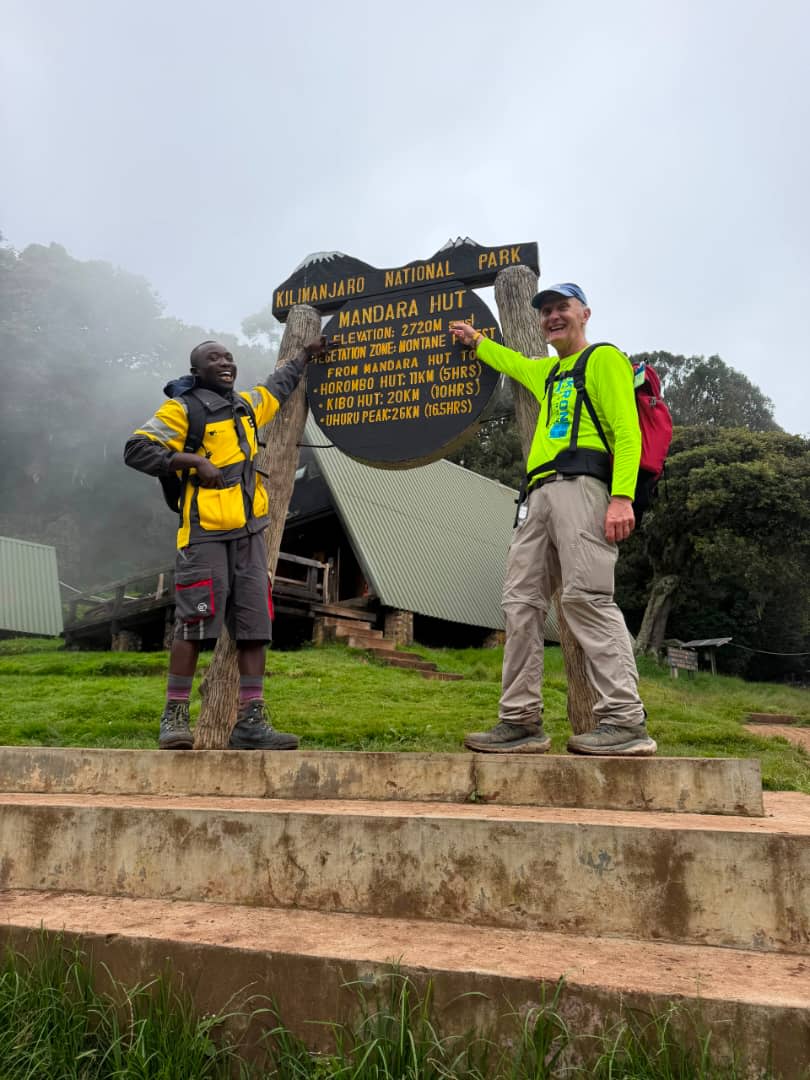
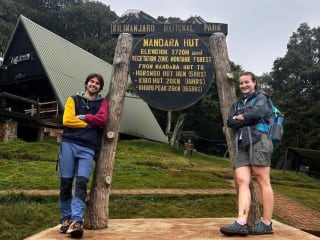
The route climbs and descends Kilimanjaro's south-eastern side on the same path, which keeps the logistics simple. Accommodation is in A-frame mountain huts at Mandara, Horombo and Kibo, with beds and communal dining huts, so there are no tents to pitch and you eat out of the wind. For many climbers that comfort makes a real difference after long days on the trail.
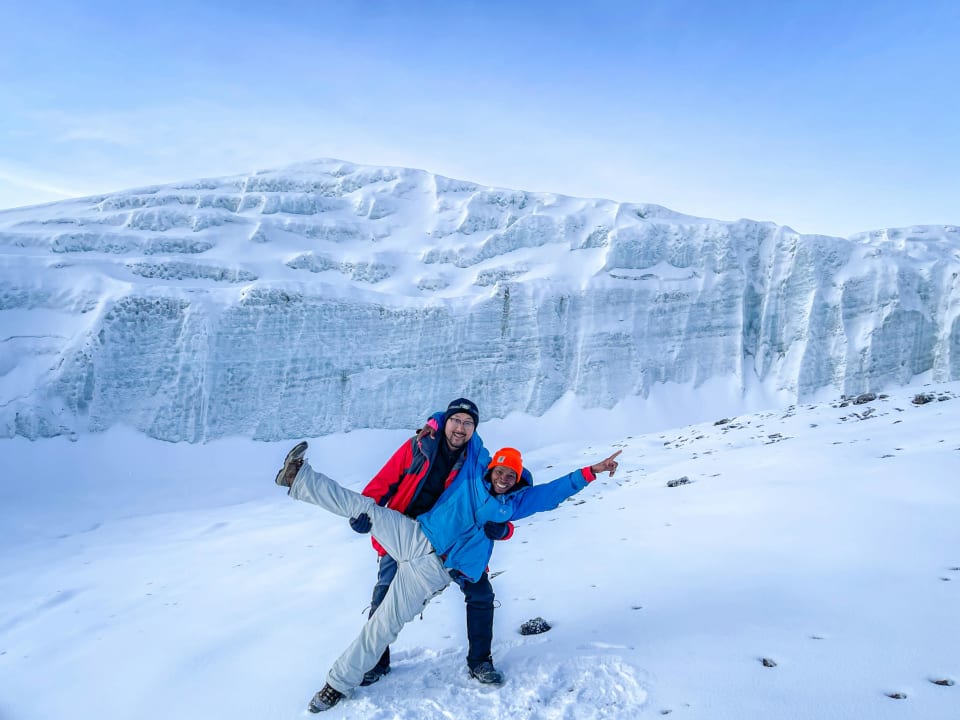
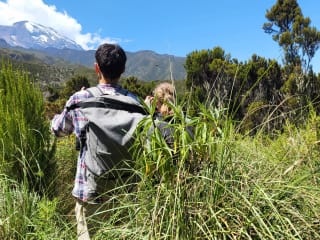
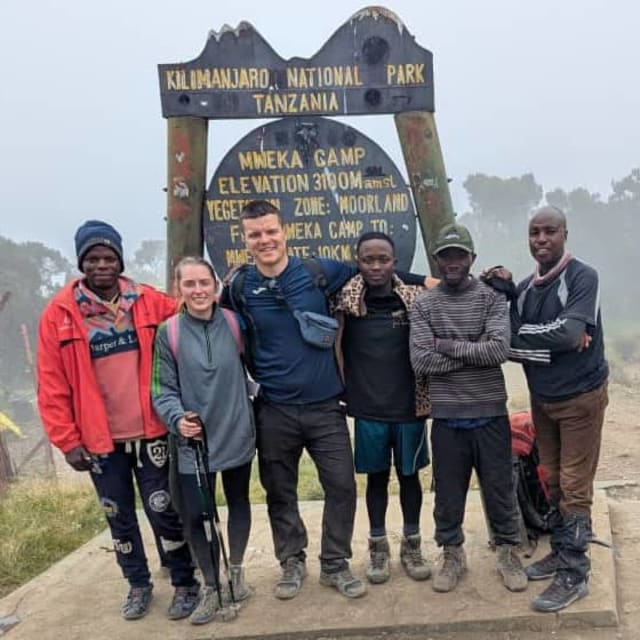
The scenery changes steadily as you climb. The lower slopes are covered in lush rainforest, home to colobus monkeys and many birds. Above the forest the trail opens into giant heather and moorland, with views of Mawenzi and Kibo, Kilimanjaro's two main peaks. Higher still is the stark, icy alpine desert around Kibo Hut, at about 4,700 metres, the final rest point before the summit.
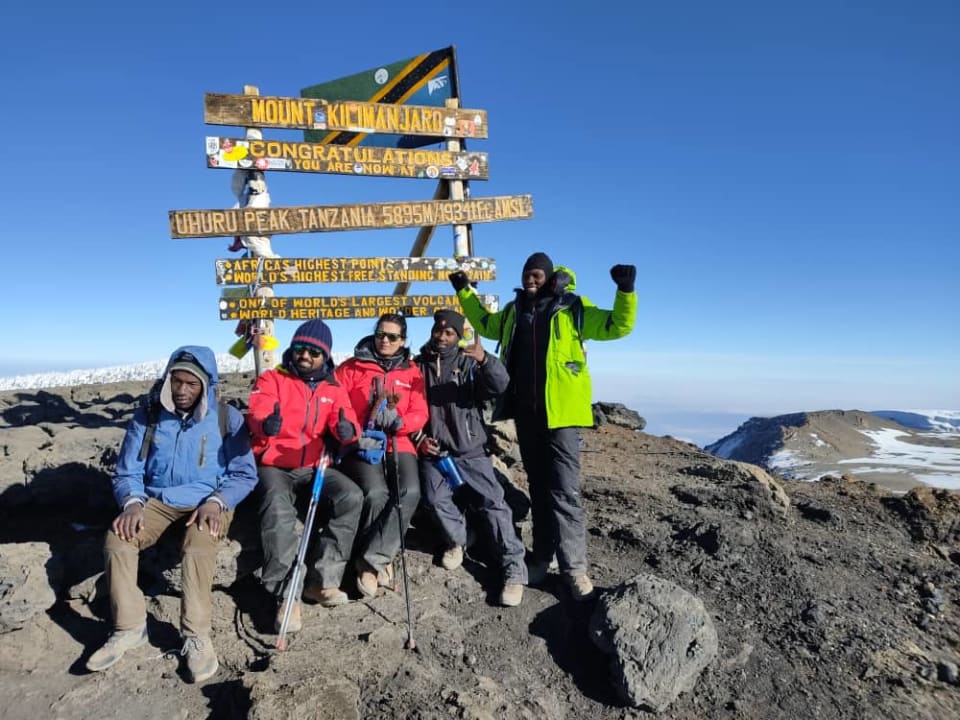
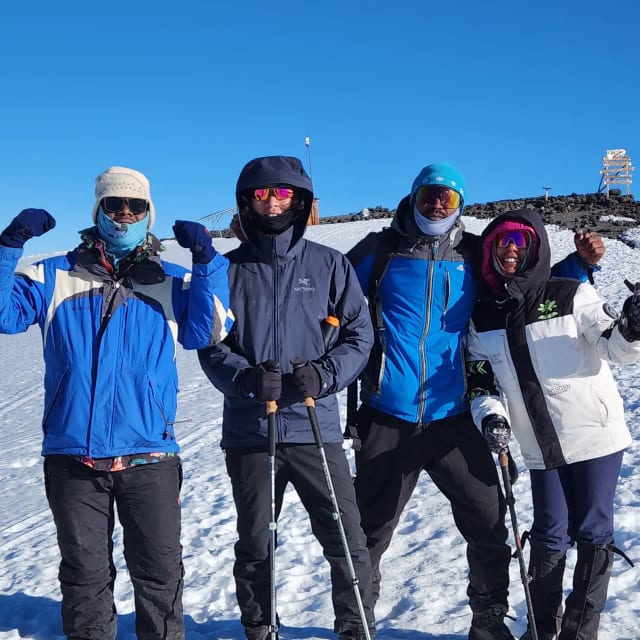
Summit night begins at Kibo Hut around midnight. You climb the steep scree slopes to Gillman's Point on the crater rim and then follow the rim to Uhuru Peak, the highest point in Africa. It is the hardest part of the climb – cold, slow and steep – but reaching the top at dawn is something most climbers never forget.
The 5-day Marangu suits climbers who prefer huts to camping and want the most straightforward logistics on Kilimanjaro. Because it is the shortest summit itinerary, it gives less time to acclimatise; climbers who can spare more days may prefer the 6- or 7-day Marangu, which add time at Horombo Hut. No technical skills are needed.
Five days is the shortest schedule on Kilimanjaro that still reaches Uhuru Peak, and it is worth being clear about what that means. You walk up and down the same eastern trail, sleeping at Mandara, Horombo and Kibo huts, with no rest day. Horombo sits near 3,720 m and Kibo near 4,700 m, so the jump to the summit comes quickly. People who do well on this version are usually already fit, have spent time at altitude, and are happy to walk at a very slow pace.
The huts are shared dormitories with bunk beds and a dining room, which many walkers prefer to tents, especially when the weather turns. Summit night starts around midnight from Kibo, passes Gillman's Point on the crater rim and continues to Uhuru Peak. The descent runs all the way back to Horombo the same day, a long day for the knees. If you have a spare day, the six- and seven-day Marangu climbs add an acclimatisation night at Horombo, which most guides would choose first. Ask us which fits your fitness and calendar before you pay.