 5 days · Trek
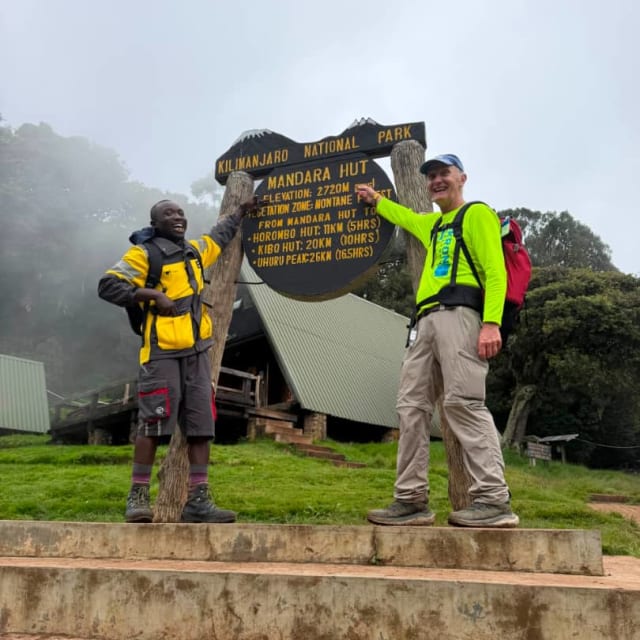
5-Day Marangu Route Kilimanjaro Climb
Mount Kilimanjaro, Tanzania · extreme
5 day Marangu Route Kilimanjaro climb on the Coca-Cola Route. Hut accommodation, expert guides and all fees.
From, per person
$1,250
Planning
Why the extra night exists.
A shorter itinerary drops a camp night, often the one between Barranco and the summit camp. The seven-day version keeps that night. Pick the package whose day count matches the pace you want.
On the southern routes, a six-day climb and a seven-day climb can share the same gates. The seven-day walk keeps an extra night, often at Karanga, between the Barranco valley and the high camp.
That night is spent lower than the next camp. The trail still crosses the same zones: forest, moorland, alpine desert, and the summit night. The difference is the pace, not a second mountain.
The day list names the camp for each night. If Karanga is missing, that package skipped it. If Karanga is there, the extra day is on the itinerary.
Marangu is the hut route and uses a different set of stops. Do not compare a Marangu day count with a Machame day count as if the camps were the same.

Guide · 3 min
Climb first, safari second. 14-day Kilimanjaro and Tanzania safari combo: sample itinerary, cost breakdown $4,500–6,500, and booking sequence.

Guide · 3 min
AMS symptoms, Diamox dosage, HACE vs HAPE: the complete altitude sickness guide for Kilimanjaro trekkers. What your guide should catch.

Guide · 2 min
When is the best time to climb Kilimanjaro? January vs July, peak vs low season, success rates by month. Complete seasonal guide with price tips.
Plan with us
5 days · Trek Mount Kilimanjaro, Tanzania · extreme
5 day Marangu Route Kilimanjaro climb on the Coca-Cola Route. Hut accommodation, expert guides and all fees.
From, per person
$1,250
 6 days · Trek
Mount Kilimanjaro, Tanzania · extreme
6 day Lemosho Route Kilimanjaro climb via Shira Plateau, Lava Tower and Barranco Wall to Uhuru Peak.
From, per person
$1,700
 6 days · Trek
Mount Kilimanjaro, Tanzania · extreme
6 day Machame Route Kilimanjaro climb via the classic Whiskey Route. Full camping, expert guides and park fees.
From, per person
$1,600
 6 days · Trek
Mount Kilimanjaro, Tanzania · extreme
Umbwe Route Kilimanjaro: the steepest, most direct 6-day climb for fit, experienced trekkers. Honest difficulty rating before you book.
From, per person
$1,600