Skip to content
VISIT KILIADVENTURES
7-Day Machame Route Kilimanjaro From Arusha

7 days · Mount Kilimanjaro, Tanzania

7-Day Machame Route Kilimanjaro From Arusha

7 day Machame Route Kilimanjaro climb with an extra night at Karanga Camp. Itinerary, inclusions and booking.

Duration
7 days
Highest point
5895m
Group size
1–12 people
Difficulty
extreme
Where
Mount Kilimanjaro, Tanzania

Who runs this trip

About this trip

The 7 day Machame Route Kilimanjaro climb is our most recommended way to reach Uhuru Peak (5,895 metres), the highest point in Africa. It follows the Machame Route, one of the most scenic paths up the mountain, and adds an extra night at Karanga Camp so your body has more time to adjust to altitude before summit night.

The route climbs from the southern rainforest, thick with moss, ferns and the calls of colobus monkeys, into heath and moorland, across the open Shira Plateau and up into the high alpine desert. Few routes show you so much of Kilimanjaro's variety. On the way you pass Lava Tower, where you climb high and then sleep lower to help acclimatisation, and the Barranco Valley with its strange forest of giant groundsels, before scrambling up the Barranco Wall – a non-technical climb that many people remember as the most enjoyable part of the trek.

The key difference from the shorter 6-day version is the night at Karanga Camp (3,995 metres). Instead of walking all the way from Barranco to Barafu in one long day, the climb is split into two stages. That extra time at altitude makes a real physical difference: by the time you reach Barafu Camp (4,673 metres), your body has had longer to adapt to the thin air, and the midnight climb to the summit becomes more manageable and more enjoyable.

Summit night is still the hardest part of the experience – a slow, cold climb in the dark, rewarded by sunrise on the roof of Africa. The 7-day Machame suits fit climbers who want the scenery of the Machame Route with a more comfortable acclimatisation profile. No technical climbing skills are needed. The climb starts and finishes with transfers from Arusha.

Seven days is the length we recommend most for Machame, and the reason is a single extra night. After the Barranco Wall the route reaches Karanga Camp (about 4,000 m) and stops there, instead of pushing on to Barafu the same day. That gives your body a quiet evening and a full night at height before the move to the high camp, and it makes the day before summit night shorter and calmer. Many climbers who have done both say the extra day changed how they felt on the summit slopes.

The earlier days are the classic Machame ones: rainforest to Machame Camp, the Shira plateau, the Lava Tower lunch, and a night low at Barranco. The Lava Tower day is the best acclimatisation tool on the trip: you go high to roughly 4,630 m and sleep around 3,960 m. Tents, a cook and a crew come with the package, along with park fees and hotel transfers. Machame is busy in peak months, so choose your dates early and plan a shoulder month if crowds worry you.

Who it suits: Climbers seeking the best Machame Route summit experience with an extra acclimatization n…

Altitude affects everyone differently, so no itinerary can promise the summit. A longer schedule gives more time to adjust.

The route in 3D

Camps, gates and the climb on real terrain.

Showing the Machame route only. Typical camps, not for navigation. Trail data © OpenStreetMap contributors. Open full map

Day-by-day itinerary

Times and camps can change with weather and group pace.

  1. Register at Machame Gate and begin the Machame Route (Whiskey Route) with an 11km hike through Kilimanjaro's montane rainforest zone to Machame Camp.

    Walking
    5 to 7 hours
    Climb
    up to 1,180 m
    Sleep
    Machame Camp
    Zone
    montane rainforest
    Meals
    breakfast, lunch, dinner

    Times and heights are approximate and change with pace and weather.

Machame route day by day, in detail

What each stage of this package feels like. Heights are rounded and vary by source.

Day 1 · 08:00 AM

Machame Gate to Machame Camp

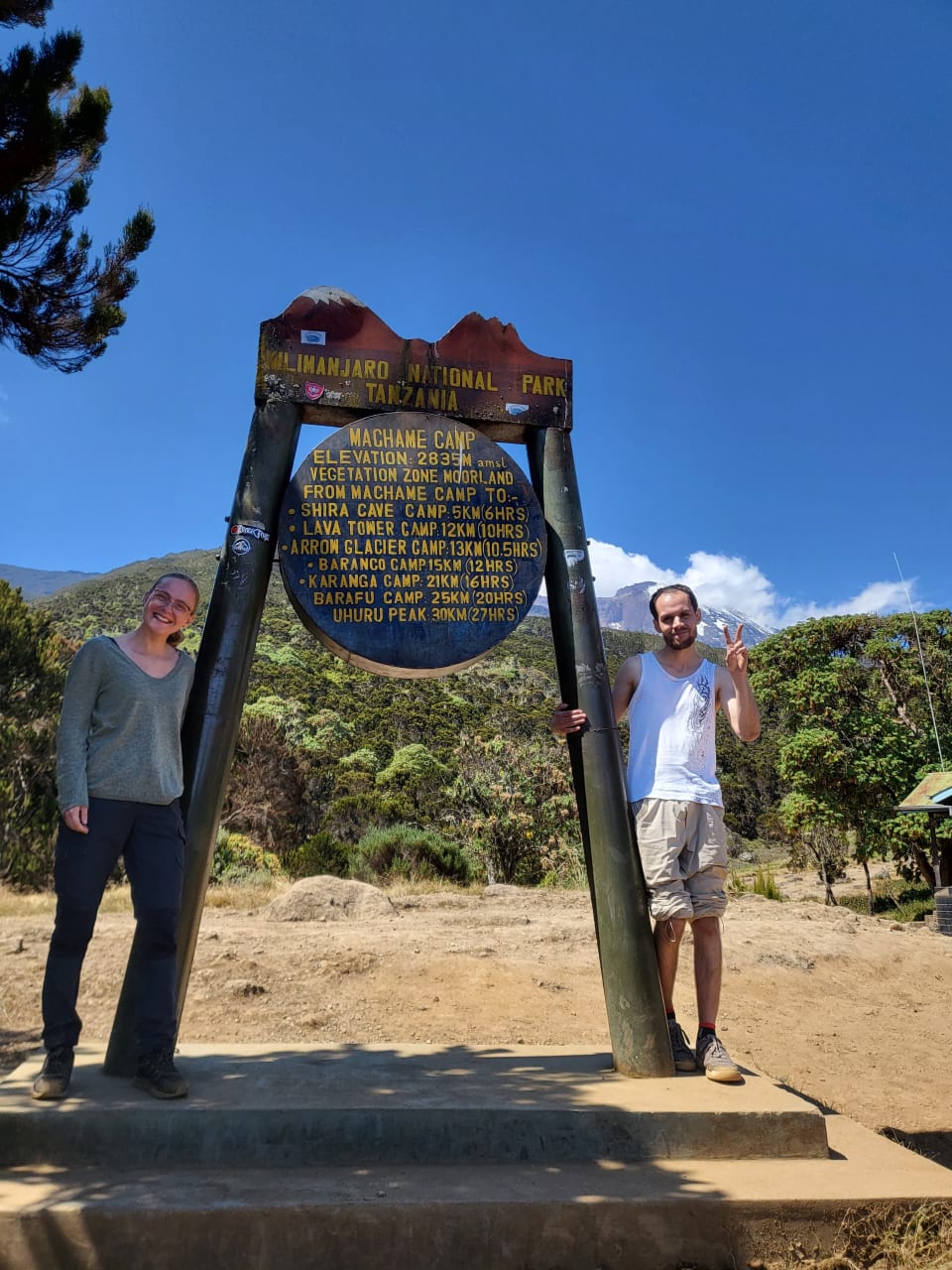
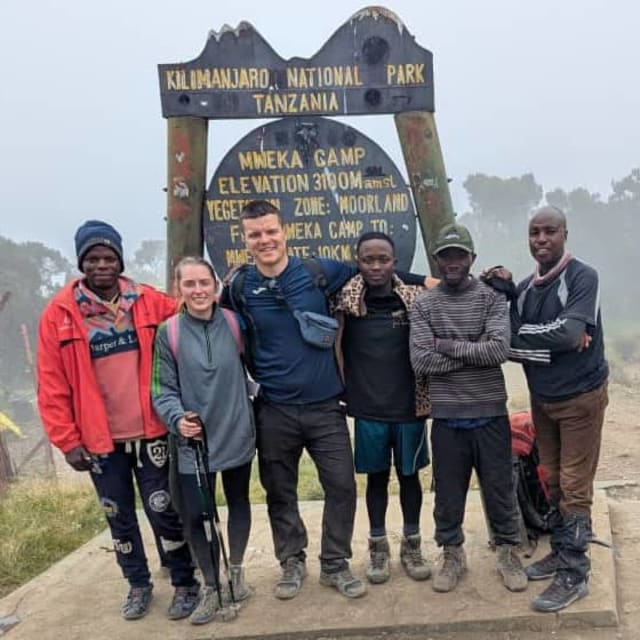
You drive from Moshi to Machame Gate, sign the park register and meet the rest of the crew, who weigh and load the bags. The track climbs through montane rainforest: tall trees, hanging moss, and the sound of monkeys you will hear more than see. It is wide, often muddy, and humid, so you walk in a base layer with a rain jacket in the daypack. Expect five to seven hours at a deliberately slow pace.

Machame Camp sits at roughly 3,000 m. Your tent is already up when you arrive and tea arrives soon after. A mild headache this first evening is common; drink water, eat even if you are not hungry, and go to bed early. The temperature drops quickly after sunset.

Day 2 · 07:00 AM

Machame Camp to Shira

The forest ends within the first hour and you step out onto heather and giant groundsel, with the Shira plateau ahead. The day is shorter than the first but steeper, with a rocky ridge before the final stretch. On a clear day the Western Breach and the snow on Kibo are visible across the plateau.

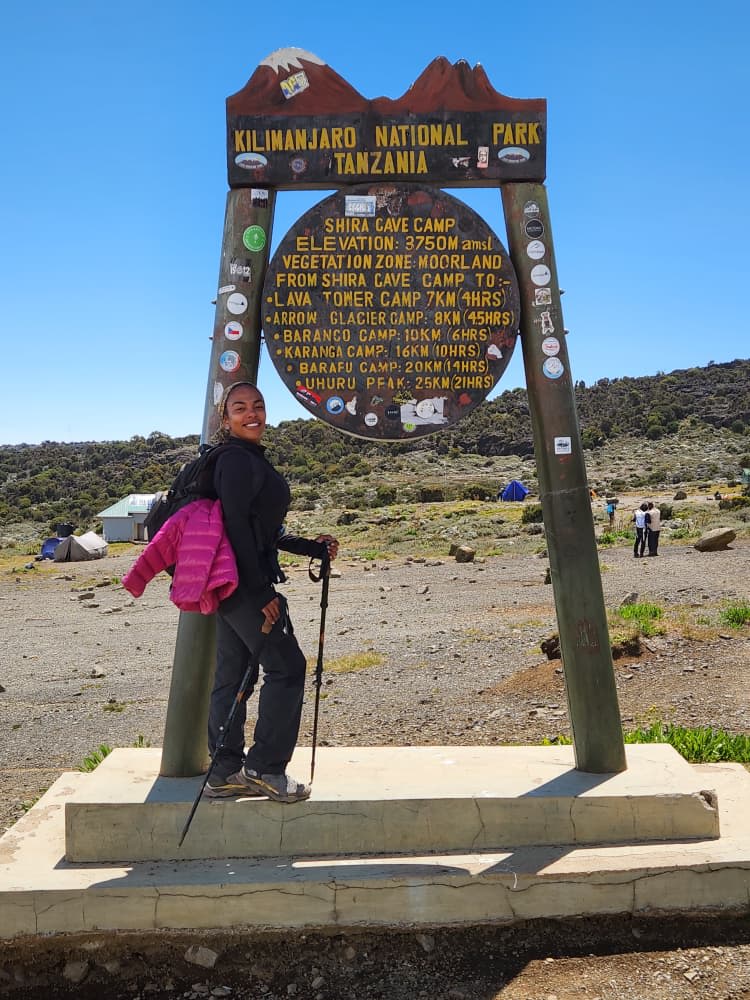
Shira camp stands at about 3,800 m, open to the wind and noticeably cold. This is the first night where a proper sleeping bag matters. If the evening is clear, the stars are extraordinary. Walk slowly, keep your hands and neck warm and tell your guide about any headache.

Day 3 · 07:00 AM

Lava Tower and Barranco: the acclimatisation day

This is the day that does most of the work. You climb across the high moorland to the Lava Tower, a volcanic plug at about 4,600 m, stop for lunch, and then descend steeply to Barranco Camp at about 3,950 m. Going high and sleeping lower is the best natural help your body gets on the mountain.

Some people get a headache or feel nauseous at the tower. If that happens, tell your guide at once and do not push on; the descent usually helps. The valley at Barranco, with its giant senecio plants and the wall rising above camp, is one of the most memorable places on the route.

Day 4 · 07:00 AM

Barranco Wall to Karanga

First thing in the morning the group queues at the Barranco Wall, a rocky scramble that takes an hour or two. It uses your hands in a few places but is not technical, and the guides and porters know the footing well. Afterward the trail crosses the Karanga valley and climbs gently to the camp at about 4,000 m.

This is a short day on purpose. Rest, drink and eat. It gives your body a quiet night at height before the move to the high camp, which is why many guides prefer itineraries that include it.

Day 5 · 08:00 AM

Karanga to Barafu

A short climb of three to four hours takes you out of the Karanga valley and up the ridge to Barafu, at about 4,600 m. The ground is bare rock and scree, with Kibo's southern face above. You arrive in time for lunch and an afternoon of rest, which is the point: the day is kept light so you start summit night with energy.

Camp is cold, windy and exposed, and there is no water, so the crew bring it from Karanga. Check your gear, charge a power bank in your sleeping bag, and try to sleep from late afternoon.

Day 6 · 12:00 AM

Summit night and descent

You are woken around midnight, drink something hot and start in the dark by head torch. The path is steep and zigzags up loose scree; the pace is very slow, with frequent pauses. It is freezing, often well below zero, and the hours before dawn are the hardest. Stella Point on the crater rim, at about 5,685 m, is where the sun usually rises and where many people cry.

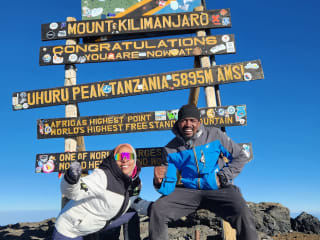
From Stella Point it is a further walk along the rim to Uhuru Peak at 5,895 m, with glaciers and the crater floor beside you. You stay only briefly, take the photograph and turn back, because the descent is long: down the scree to Barafu for a short rest and on to Mweka Camp or Horombo depending on the route. The whole day often takes ten to fourteen hours.

Day 7 · 07:00 AM

Mweka Camp to the gate

The last morning is a few hours through forest on a well-made path, sore in the knees but easy in the lungs. Trekking poles are most useful here. At Mweka Gate you sign out, receive your summit certificate if you reached Stella Point or Uhuru Peak, and the crew gather for a farewell.

A vehicle then takes you back to your hotel, where you will want a hot shower. Tipping is normally done at the final camp or gate; your operator should give you a written guideline in advance.

What is included

Included

  • All camping equipment (tent, sleeping mat, dining tent)
  • All meals on the mountain (breakfast, lunch, dinner)
  • Experienced lead guide + assistant guide
  • Hotel transfers
  • Kilimanjaro National Park fees
  • Pre-climb briefing & gear check
  • Rescue fee / emergency evacuation insurance
  • International flights
  • Personal expenses and snacks
  • Personal trekking gear
  • Tanzania visa ($50 USD)
  • Tips for guides and porters
  • Travel & medical insurance (required)

Price

Starting price, per person

$1,700

  • Covers everything on the included list.
  • This example is for one traveller; for a group, multiply the price per person by the number of travellers. The card fee is added on the payment page, so the amount you pay there is higher than the deposit. Trips that start within 10 days are paid in full at booking, with no balance.
  • Group size: 1–12 people. Final price depends on group size and dates.
  • Budget separately for: International flights; Personal expenses and snacks; Personal trekking gear; Tanzania visa ($50 USD); Tips for guides and porters; Travel & medical insurance (required).

When to go

Jan to Febbest

Short dry season: clear skies, firm trails

Mar to Mayfair

Long rains: muddy trails, reduced visibility

Jun to Octbest

Long dry season: peak trekking season

Nov to Decgood

Short rains: quieter, occasional showers

Know before you go

What to read before you book.

Why the 7-Day Machame Route is Our Top Recommendation

One extra day, and one extra night at altitude. The 7-day Machame Route is the itinerary we recommend to most trekkers. It follows the same trail as the 6-day version, with a night at Karanga Camp added, so the climb to Barafu is split into two shorter days.

Quick Overview

7 days: Rainforest → Shira Plateau → Lava Tower acclimatization → Barranco Wall → Karanga Camp (key extra night) → Barafu → Midnight summit to Uhuru Peak (5,895m) → Descent & certificate.

6-Day vs 7-Day Machame Route

Both itineraries cover the same route. The difference is pace and time at altitude.

6 days: a faster pace and less time to acclimatise. Suits experienced trekkers who have climbed at altitude before.

7 days: one extra night at Karanga Camp and a more gradual pre-summit schedule. We recommend it to most trekkers.

The two itineraries are priced separately. See the 6-day tour page for its price.

Who the 7-Day Machame Route Suits

Good fit: first-time Kilimanjaro trekkers with reasonable fitness, experienced hikers, travellers who want varied scenery, and people who are comfortable camping on the mountain.

Less suited to: people who want hut accommodation, people who want the shortest possible climb, people with medical conditions that are not under control, and people who will not follow altitude guidance. If you have a medical condition, speak to your doctor before you book.

Altitude, Health and Safety

Altitude affects people differently, whatever their fitness. Report symptoms such as headache, nausea or breathlessness to your guide early. The guide assesses each trekker during the climb and decides whether to continue to the summit. If symptoms become serious, the guide arranges descent.

We do not diagnose medical conditions and we cannot promise a summit. Speak to a travel-health provider before you book.

Best Time to Climb Machame

Weather on Kilimanjaro varies, and conditions on the mountain can change at short notice. The seasons below are a general guide, not a forecast.

January to early March: generally drier.

Late March to May: the long rains. Trails are wetter and quieter.

June to October: generally dry, and the busiest season.

November to December: the short rains.

Summit Success on the Machame Route
Results depend on the trekker's health, pace and response to altitude, and on the guide's judgement on the day.

Before you go

About the Machame route

Machame is the climb most people picture when they think of Kilimanjaro: forest, a long moorland day, a wall you scramble up with your hands, and a midnight start on the south face. Here is what it is actually like, and who should pick something else.

Days
6 or 7 on the mountain
Sleeping
Tents
Starts
Machame Gate, south-west
Finishes
Mweka Gate
Highest sleep
Barafu, about 4,600 m
Crowds
Busy in the dry months

Read the full Machame route guide

Other Machame route packages

Same trail, different length or starting point.

Questions about this trip

  • The 7-day version adds a night at Karanga Camp between Barranco and Barafu, rather than climbing from Barranco to Barafu in one day. The extra night gives more time at altitude before the summit push. The 6-day version is faster and suits trekkers who already acclimatise well.

Want to add to this trip?

Compare similar trips

Compare side by side

From, per person$1,700

Check price

Registered & Recognized By