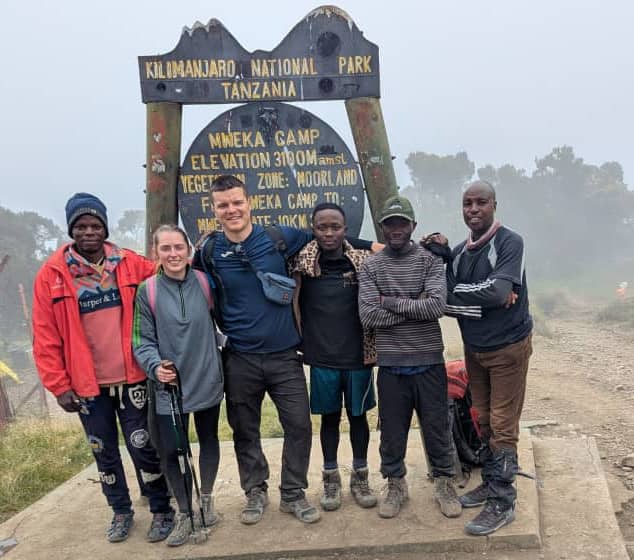
The 7 day Marangu Route Kilimanjaro climb is the most gradual way to reach Uhuru Peak (5,895 metres) on Kilimanjaro's classic hut route. Marangu is the only route where you sleep in mountain huts instead of tents for the whole climb, and this extended itinerary adds extra time at Horombo Hut so your body can adjust to altitude before the summit.
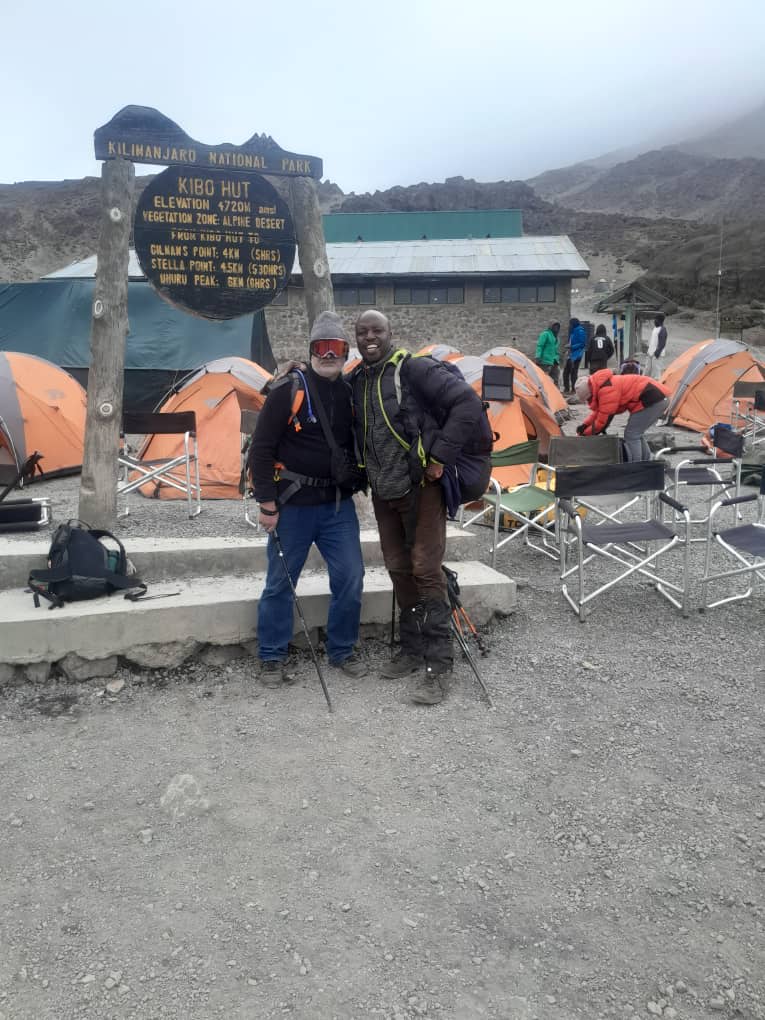
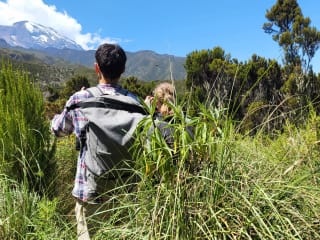
Marangu climbs Kilimanjaro's south-eastern side. The trail begins in montane rainforest, where colobus monkeys and forest birds are common, then rises into giant heather and open moorland, with Mawenzi – Kilimanjaro's jagged second peak – and Kibo, the main summit cone, growing larger ahead. Higher up, the landscape becomes a wide, bare alpine desert leading to Kibo Hut at around 4,700 metres.
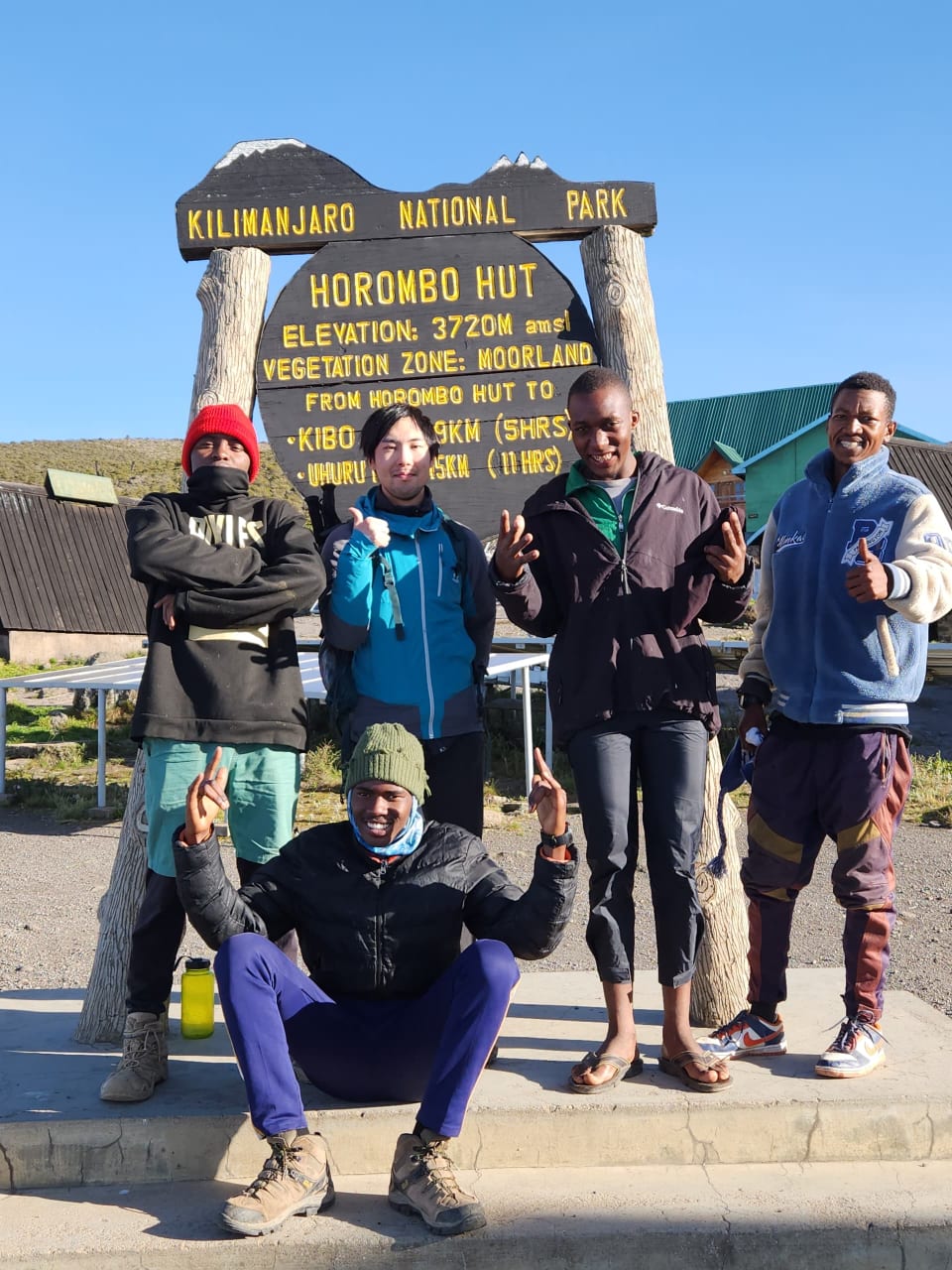
What sets the 7-day version apart is the time spent at Horombo Hut (3,720 metres). Rather than pushing straight on to Kibo, you stay longer at this altitude and can take short walks towards Zebra Rocks or the Mawenzi Hut junction – gentle exercise at height without the effort of a full trekking day. This slower ascent gives your body more time to adapt and makes summit night more comfortable.
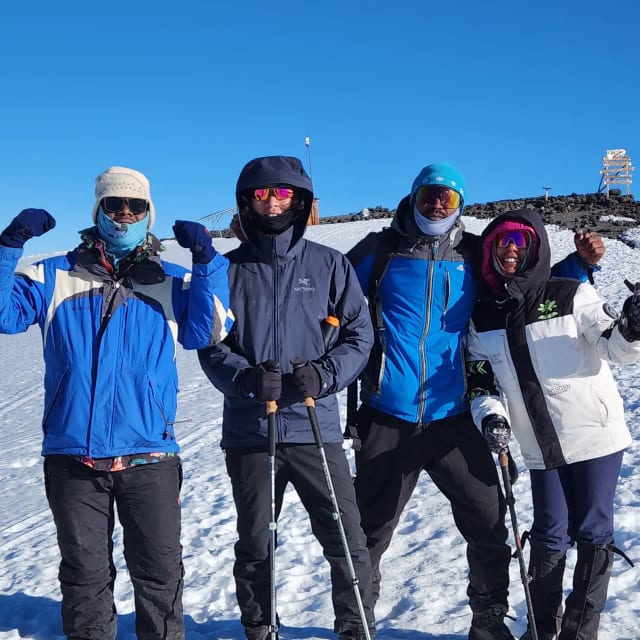
Summit night starts from Kibo Hut around midnight, climbing the scree slopes to Gillman's Point on the crater rim and on to Uhuru Peak, the highest point in Africa. Because the descent also passes through Horombo, you have the chance to rest before the final walk down through the forest.
The hut accommodation, well-graded path and unhurried pace make this a good choice for first-time high-altitude trekkers, families with older children and anyone who prefers a bed and a dining hut to camping. No technical skills are needed.
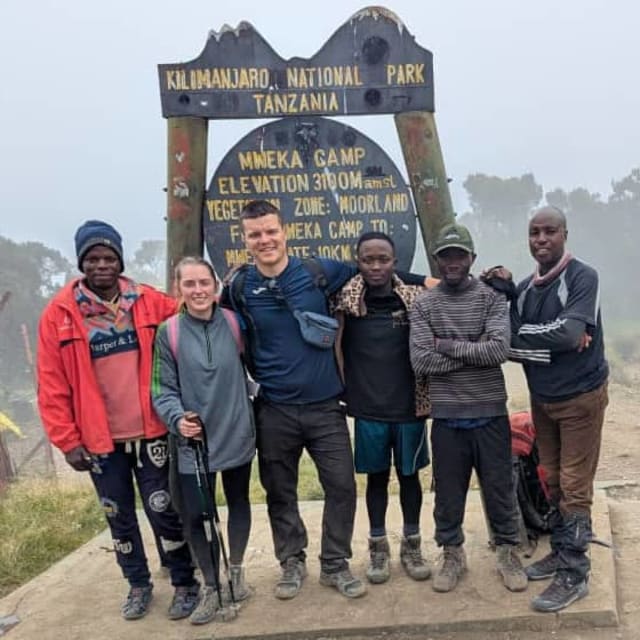
This seven-day Marangu climb is built around rest. After Mandara and Horombo it spends a full day at Horombo, about 3,720 m, with a short walk toward Mawenzi to help the body adjust, before the move to Kibo Hut for summit night. A second night at Horombo on the way down gives tired legs a break before the last day to the gate. For walkers who like a bed, a roof and a steady pace, it is the most forgiving way up the mountain.
Huts mean shared bunk rooms and communal dining, so earplugs and a good sleeping bag help. The trail is wide and well marked, which also means it is busy in the dry months; book early for July to October and the Christmas window. Summit night is the same as on every route: a midnight start, slow steps on loose scree, Gillman's Point at the rim and Uhuru Peak a little further. What changes is that you arrive better adapted. If you want more scenery variety, compare it with Machame or Lemosho before you decide.