Why Tipping Is Essential on Kilimanjaro
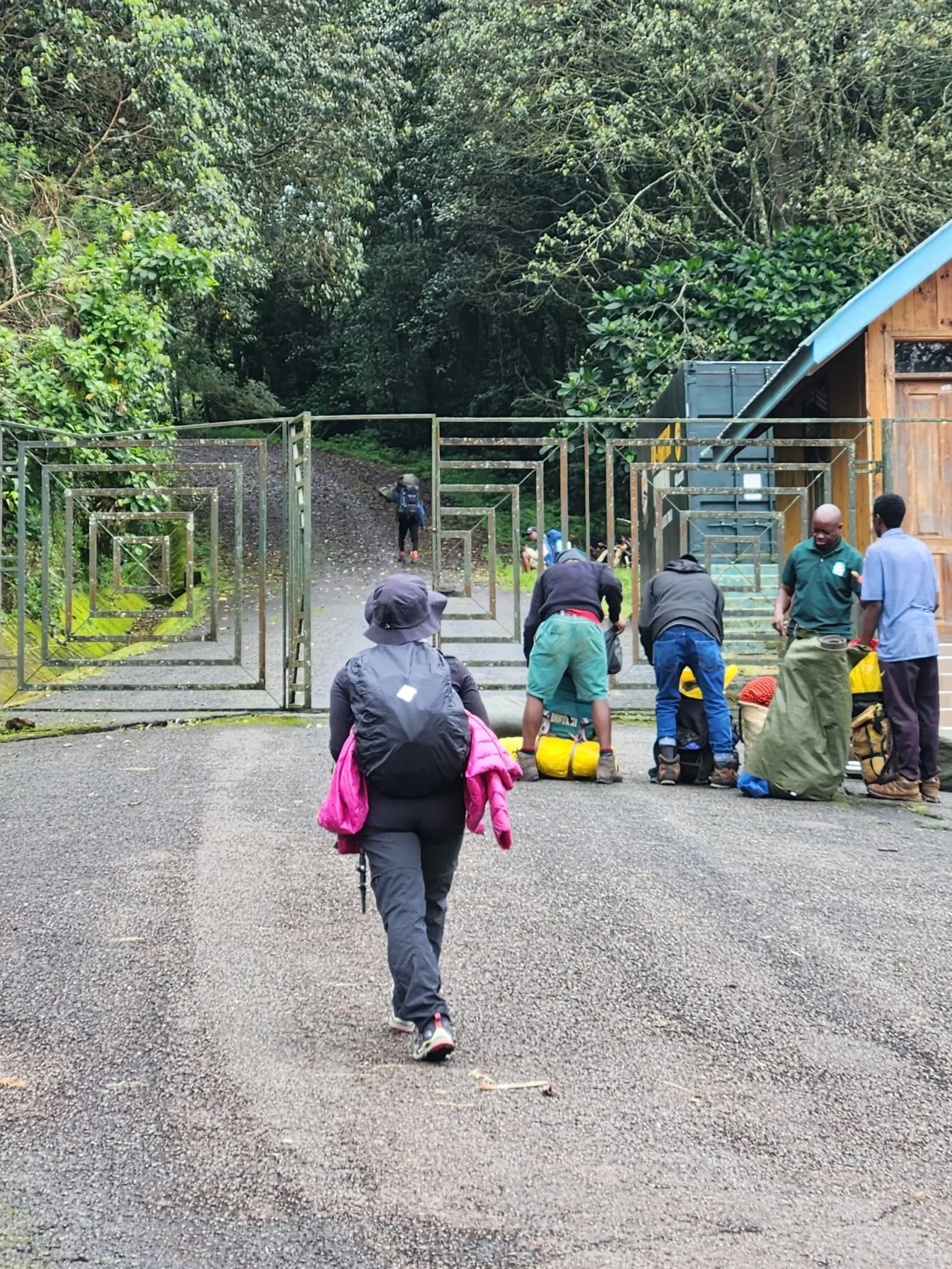
Tipping is a well-established custom on Kilimanjaro and across East Africa's safari industry, and it is genuinely expected. Travellers coming from countries where tipping is uncommon are sometimes surprised by this, and by the fact that the amounts involved are larger than on treks elsewhere in the world. The reason is simple: Kilimanjaro requires a large support crew. A group of six trekkers, for example, will typically be supported by around 26 crew members: a senior guide, assistant guides, cooks, waiters, porters, and toilet crew.
At VISIT KILI ADVENTURES, our mountain and safari crew are paid above minimum wage. Even so, tips remain essential to helping our teams sustain a fair standard of living against the rising cost of living in Tanzania's towns and cities. Tipping in the East African travel industry follows the American-style system: it is not simply a bonus for outstanding service, but an anticipated and significant part of crew income. We ask every client to budget for tips as a separate line item alongside your climb or safari cost, international and local travel costs, and any gear rental.
Why Tipping Is Not Included in the Tour Price
There are two practical reasons we follow the same approach as almost every operator in the region rather than building tips into our published prices.
1. Crew Take Home More When Paid as Tips
Tanzanian tax law treats a genuine gift or reward for good service differently from a wage. Under the Tanzania Revenue Authority's Income Tax Practice Notes (paragraph 4.11), payments made as a reward for services rendered in the course of employment are taxable, while payments given as a token of appreciation for a crew member's personal qualities, such as reliability and willingness to help, are not.
If tips were instead paid to us as part of the tour price and passed on as salary, the amount would be reduced by income tax, statutory contributions (such as NSSF at 20%), the Workers Compensation Fund, accounting costs, and 18% VAT on the service. As an illustration: USD 300 given directly as a tip reaches the crew in full. To deliver that same USD 300 to crew as formal salary, we would need to charge upward of USD 500 once all deductions are accounted for.
2. Staying Competitive for You
The Kilimanjaro and safari market is price-sensitive, and tipping is the near-universal practice among operators. If we broke from this custom and built the full cost, plus associated taxes, into our prices, we would be significantly less competitive, which in turn would mean less business and less work for our crew. Tips also help keep service quality high, rewarding attentiveness and effort in a way a fixed salary alone cannot.
Can I Prepay My Tips?
At this time we are not able to accept prepaid tips. Even where this is technically possible, roughly half of what is prepaid through a tour operator can be lost to taxes and associated costs before it reaches the crew, so we prefer tips to be given directly, in person, at the end of your trip.
What If I Don't Reach the Summit?
Your crew's dates are reserved for the full duration of your trek regardless of outcome, so we recommend budgeting for tips accordingly. Most cases of an unsuccessful summit attempt are due to altitude sickness (AMS), which has nothing to do with the quality of service provided by your crew. We suggest basing your tip on how well your guides and crew looked after you, not on whether the summit was reached.
If you feel the service genuinely fell short, you are under no obligation to follow these guidelines: tip what you believe is fair, and please share detailed feedback with us so we can address the issue and improve for future clients.
Tipping Above or Below the Guideline
- Exceptional service: tipping toward the upper end of the range is appropriate. We advise against tipping significantly beyond the guideline, as consistent over-tipping can create unsustainable expectations for future trips.
- Good, solid service: tipping within the suggested range is the norm and is genuinely appreciated.
- Service that fell short: tip what you believe is fair, and let us know where things went wrong so we can act on it.
Kilimanjaro & Mount Meru Daily Tipping Rates
The amounts below are guideline totals contributed by the whole group per day (for example, the group as a whole tips the cook USD 15–20 per day, split between all trekkers).
| Crew Role | Suggested Daily Tip | Basis |
|---|---|---|
| Senior Guide | USD 25 – 30 / day | From the whole group |
| Assistant Guide | USD 20 – 25 / day | From the whole group |
| Cook | USD 15 – 20 / day | From the whole group |
| Waiter | USD 12 – 15 / day | From the whole group |
| Porter | USD 10 – 12 / day | From the whole group |
| Summit Porter | USD 12 – 15 / day | From the whole group |
| Toilet Crew (where applicable) | USD 12 – 15 / day | From the whole group |
Suggested Total Tip by Route and Group Size
The table below gives an approximate total tip pool for the whole group across the full trek, by route and number of climbers.
| Route | Group of 1 | Group of 2 | Group of 3 | Group of 4 | Group of 5 |
|---|---|---|---|---|---|
| 5-Day Marangu | $350 – $500 | $300 – $450 | $250 – $400 | $225 – $375 | $230 – $380 |
| 6-Day Marangu | $420 – $570 | $360 – $510 | $300 – $450 | $270 – $420 | $276 – $426 |
| 6-Day Machame | $420 – $570 | $360 – $510 | $300 – $450 | $270 – $420 | $276 – $426 |
| 7-Day Machame | $490 – $640 | $420 – $570 | $350 – $500 | $315 – $465 | $322 – $472 |
| 7-Day Lemosho | $490 – $640 | $420 – $570 | $350 – $500 | $315 – $465 | $322 – $472 |
| 8-Day Lemosho | $560 – $710 | $480 – $630 | $400 – $550 | $360 – $510 | $368 – $518 |
Suggested Total Tip by Role and Trek Length
Alternatively, here is the same guidance broken down by crew role and number of trekking days, per role (whole-group total).
| Trek Length | Senior Guide | Assistant Guide | Cook | Porter |
|---|---|---|---|---|
| 5-Day Trek | $100 – $125 | $75 – $100 | $60 – $75 | $40 – $50 |
| 6-Day Trek | $120 – $150 | $90 – $120 | $72 – $90 | $48 – $60 |
| 7-Day Trek | $140 – $175 | $105 – $140 | $84 – $105 | $56 – $70 |
| 8-Day Trek | $160 – $200 | $120 – $160 | $96 – $120 | $64 – $80 |
Tipping Guidelines for Safaris
- Private Safari: USD 25 – 30 per day in total, contributed by everyone travelling together in the vehicle.
- Group / Joining Safari (Tanzania): USD 10 – 15 per person, per day.
Tips may be given in USD or in local currency (Tanzanian Shillings in Tanzania, Kenyan Shillings if your itinerary includes Kenya). It is customary to tip your guide on the final day of the safari, as you say goodbye.
You may also wish to leave a tip for lodge or camp staff. Most accommodations keep a shared tip box at reception, which is distributed among all staff on site.
How to Prepare Your Tip Money
- Bring crisp, clean US dollar bills (2009 series or newer). Old, torn, or marked bills are often refused by banks in Tanzania and can be difficult for crew to exchange.
- Small denominations are ideal: ones, fives, tens, and twenties.
- Place each crew member's tip in a separate envelope with their name and role written on it.
- Present tips personally on the final day: this handshake moment matters deeply to your crew.
- Do not prepay tips through a booking agent; roughly half can be lost to taxes before reaching the crew.
Thank you for travelling with VISIT KILI ADVENTURES. Your generosity directly supports the guides, cooks, and porters who make your Kilimanjaro or safari experience possible. If you have any questions about tipping, please don't hesitate to ask your guide or contact our office.